Views: 231 Author: Site Editor Publish Time: 2025-11-27 Origin: Site


Choosing the Right Equipment for Your Paper Shredding Business
Legal and Compliance Requirements for Paper Shredding Businesses
Building a Brand and Marketing Strategy for Your Paper Shredding Business
Managing Operations and Scaling Your Paper Shredding Business
Starting a paper shredding business in 2025 is an excellent opportunity, especially as data privacy concerns continue to rise and businesses increasingly require secure document disposal. The demand for paper shredding services is driven by factors like legal compliance, environmental sustainability, and the rise of data protection regulations. As more companies and individuals seek reliable ways to protect sensitive information, a paper shredding business presents a profitable venture.
This comprehensive guide will walk you through the essential steps of starting your own paper shredding business. From market research and funding to selecting equipment and understanding legal requirements, we’ll cover everything you need to know to set up and run a successful operation in this growing industry.
The paper shredding business is rooted in providing a critical service for businesses, government agencies, and individuals who need to dispose of sensitive documents securely. In 2025, this industry is expected to grow significantly, driven by several key trends:
Data Security Regulations: With stringent privacy laws such as GDPR and CCPA, businesses must ensure proper disposal of confidential documents.
Sustainability: Many companies are looking for ways to recycle paper in an environmentally friendly manner, further boosting the need for shredding services.
Mobile Shredding Services: Customers are increasingly demanding on-site shredding services for convenience and enhanced security.
Before diving into the operational side of the business, it’s crucial to understand these trends and how they impact the demand for shredding services.
A successful paper shredding business begins with a solid understanding of the market landscape. Conducting thorough market research allows you to identify your target audience, assess the competition, and understand regional demands. Key aspects to focus on during your research include:
Target Customers: Who are your potential clients? This can include law firms, medical offices, financial institutions, educational institutions, and even individual consumers.
Competitive Landscape: Analyze other local shredding businesses. What are their strengths and weaknesses? What pricing models do they use?
Local Demand: Assess the demand for shredding services in your geographic area. Are there underserved locations or niche markets that you can tap into?
Once you have a clear understanding of these factors, you can better position your business for success.
A detailed business plan is essential for mapping out your business structure, defining your goals, and establishing strategies for growth. Your business plan should cover:
Business Model: Decide whether you’ll offer on-site shredding, off-site shredding, or both. Consider pricing strategies, such as per-pound rates or subscription models.
Operational Plan: Detail the logistics of collecting and shredding paper. This includes routes, shredding schedules, and customer service protocols.
Financial Plan: Outline start-up costs, revenue projections, and anticipated profits. Consider initial expenses for equipment, permits, marketing, and employee salaries.
A comprehensive business plan is also vital when seeking funding from investors or financial institutions.
Starting a paper shredding business requires significant initial investment, especially for purchasing high-quality shredders, trucks, and other equipment. To secure funding, you have several options:
Bank Loans: Traditional bank loans are a common funding source, but they often require a solid business plan and collateral.
Investors: If your business plan is robust, you may attract angel investors or venture capitalists interested in the paper shredding industry.
Personal Savings: If you’re starting on a smaller scale, personal savings might be a viable option.
It’s crucial to create a clear budget and secure enough funding to cover both initial and ongoing operational costs.
The equipment you choose will have a direct impact on the quality of service you can provide and your overall profitability. There are two primary categories of equipment to consider:
Investing in the right type of shredders is essential. There are several types of shredding machines:
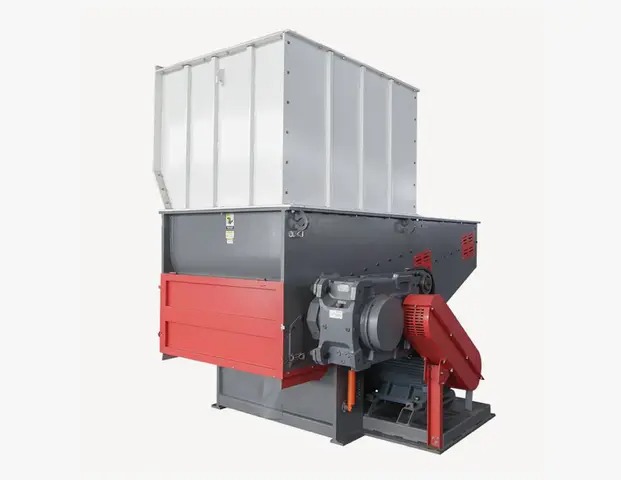
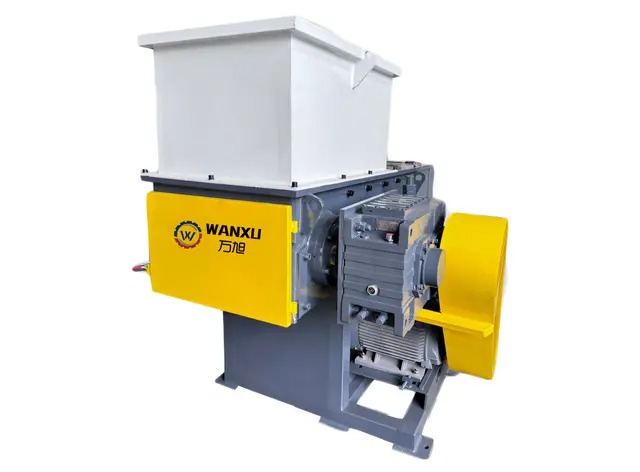
Industrial Shredders: High-capacity machines designed for large volumes of paper. These are ideal for businesses offering bulk shredding services.
Cross-Cut Shredders: Provide more secure shredding compared to strip-cut shredders, as they cut paper into smaller particles.
Mobile Shredders: Trucks equipped with shredding machines, allowing you to offer on-site shredding services for added convenience and security.
If you're offering mobile shredding, you'll need specialized trucks that come equipped with industrial-grade shredding equipment. Additionally, you will need to invest in secure containers for customers to store their documents before shredding.
In terms of budget, industrial-grade shredders can range in cost from a few thousand to tens of thousands of dollars, depending on the capacity and features. Mobile shredding trucks are generally more expensive, often exceeding $100,000.
The paper shredding business involves handling confidential documents, which means compliance with various laws and regulations is critical. Here are the primary legal considerations:
In the age of digital security, data protection laws such as GDPR (General Data Protection Regulation) and CCPA (California Consumer Privacy Act) require businesses to ensure that sensitive data is disposed of securely. Your paper shredding business must adhere to these regulations to avoid fines and legal action.
To operate legally, you will need to obtain specific licenses and certifications, which vary by location. Common requirements include:
Business License: A general business license to operate legally in your area.
NAID Certification: The National Association for Information Destruction (NAID) offers certifications that demonstrate compliance with industry standards for secure data destruction.
Having these certifications not only ensures legal compliance but also boosts your reputation among clients.
To stand out in a competitive market, you need to build a strong brand identity and employ effective marketing strategies.
Website and SEO: Create a professional website with clear details about your services. Optimize it for local SEO, using keywords like “Paper Shredding Business” and “Shredding Services Near Me”.
Social Media: Use platforms like Facebook, LinkedIn, and Instagram to engage with your target audience and promote special offers.
Local Advertising: Consider using local newspapers, radio ads, and even direct mail campaigns to attract clients in your area.
Collaborating with local businesses, such as law firms or healthcare providers, can help you build a reliable customer base. Offer discounted services or referral incentives to encourage repeat business.
To keep your operations running smoothly, invest in a robust logistics system. This includes:
Route Optimization: Use software tools to map out the most efficient routes for your shredding trucks.
Customer Scheduling: Allow clients to schedule pickups easily online or through an app, helping you streamline operations.
As your business grows, consider expanding your offerings. This could include:
Document Storage: Offer secure document storage services, providing customers with an all-in-one solution.
Hard Drive Shredding: Add data destruction services for digital storage devices, which is a growing market.
As with any business, there are challenges to overcome, such as intense competition. Differentiate yourself by offering superior customer service, flexible pricing, and eco-friendly practices.
There is increasing pressure on businesses to be environmentally conscious. Embrace sustainability by offering paper recycling services and using energy-efficient equipment. This will appeal to eco-conscious customers and help you meet growing environmental regulations.
Starting a paper shredding business in 2025 presents a unique opportunity to capitalize on rising privacy concerns, regulatory compliance needs, and the increasing demand for secure document disposal. By carefully planning your business model, choosing the right equipment, understanding legal requirements, and implementing a solid marketing strategy, you can build a successful and profitable operation.
The cost varies depending on the scale of your business and equipment choices. On average, initial costs can range from $50,000 to $150,000, including the cost of shredders, trucks, licensing, and marketing.
While certifications like NAID are not mandatory, they are highly recommended. They enhance credibility and ensure compliance with industry standards, which can help attract more customers.
Yes, mobile shredding trucks allow you to offer on-site services, which is a popular option for clients looking for convenience and security.
Key legal requirements include complying with data privacy laws (e.g., GDPR, CCPA), obtaining necessary business licenses, and acquiring certifications like NAID for secure data destruction.
Effective marketing strategies include building a professional website, utilizing local SEO, social media marketing, and forming partnerships with local businesses to generate referrals.


