Views: 213 Author: Site Editor Publish Time: 2025-11-24 Origin: Site


Shredding technology has become a vital part of industries that need to process various materials such as plastic, rubber, wood, paper, and metals. Whether you're in recycling, manufacturing, or waste management, choosing the right shredder is crucial for optimizing operational efficiency. Among the most common types of shredders are single, dual, and four shaft shredders, each designed for specific purposes and offering unique advantages. In this comparison, we will explore the characteristics, benefits, and applications of these shredders to help you determine which one best suits your needs.
To understand the differences between single, dual, and four shaft shredders, it’s essential to first grasp how these machines operate. At the core, each type of shredder is designed to cut, shear, or tear materials into smaller pieces, but the number of shafts and the arrangement of cutting blades influence the shredding process significantly.
Single shaft shredders are equipped with one rotating shaft and multiple cutting blades arranged around it. These machines work by grabbing materials between the blades and the fixed part of the shredder, breaking them down into smaller, more manageable pieces. Single shaft shredders are typically used for soft and medium-hard materials, and they excel in producing uniform particle sizes.
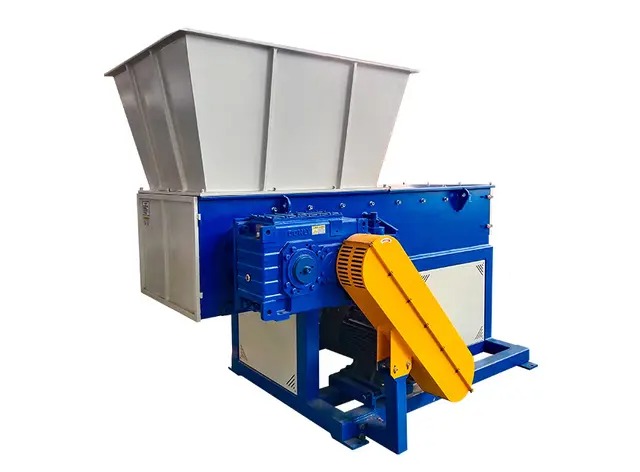
Dual shaft shredders have two counter-rotating shafts with blades on both shafts. This configuration allows for a more aggressive shredding action, making dual shaft shredders ideal for tougher materials like plastic, rubber, and other industrial waste. The counter-rotating shafts help pull the material through the machine, ensuring more efficient shredding and reducing the chances of material jams.
Four shaft shredders feature four rotating shafts and multiple cutting blades. This type of shredder offers even more control over the size and consistency of the shredded material. The four shafts provide multiple stages of shredding, which results in finer particles and reduced load on each shaft, allowing for longer machine life and higher throughput. Four shaft shredders are typically used for highly resistant materials and those that require extremely fine shredding.
When selecting a shredder, understanding the key differences between single, dual, and four shaft models is crucial. Here’s a quick breakdown:
| Feature | Single Shaft Shredders | Dual Shaft Shredders | Four Shaft Shredders |
|---|---|---|---|
| Number of Shafts | 1 | 2 | 4 |
| Shredding Efficiency | Moderate | High | Very High |
| Shredding Force | Medium | High | Very High |
| Particle Size | Uniform but larger | Less uniform, but smaller than single shaft | Very fine, uniform particles |
| Throughput | Medium | High | Moderate to High |
| Maintenance | Lower maintenance | Moderate maintenance | Higher maintenance |
| Best For | Soft to medium materials | Tough materials like plastic and rubber | Highly resistant materials, fine shredding |
| Cost | Lower | Moderate | Higher |
This table highlights some of the most important aspects when considering the type of shredder to purchase. For businesses that prioritize fine, uniform materials with minimal effort, a four shaft shredder may be the best choice. However, for those working with softer materials and looking for a more budget-friendly option, a single shaft shredder might be sufficient.
Single shaft shredders are often the most cost-effective choice, especially for industries that primarily handle softer materials. Here are the primary advantages:
Single shaft shredders are simpler in design and therefore tend to be less expensive than dual or four shaft models. The straightforward mechanics make them a good option for businesses looking to minimize equipment costs.
While they don’t provide the ultra-fine results of four shaft shredders, single shaft shredders can still produce consistent, uniform output for materials like paper, cardboard, and some plastics.
Due to the fewer moving parts compared to dual and four shaft models, single shaft shredders generally require less maintenance and are less prone to mechanical failures.
If your business deals with smaller volumes of material or softer waste, the single shaft shredder is a solid choice that gets the job done without overcomplicating things.
Dual shaft shredders stand out in industries that handle larger and tougher materials. They offer the following benefits:
The two counter-rotating shafts allow dual shaft shredders to exert more shredding force, making them suitable for tougher materials like metals, rubber, and certain plastics.
The counter-rotating shafts work in tandem, allowing for more efficient shredding of larger volumes of material. This is particularly important in applications that require consistent output and reduced downtime.
Dual shaft shredders can handle a variety of materials, including plastic waste, textiles, and rubber, making them ideal for recycling and waste management operations.
Due to the design of the dual shafts, these shredders are less likely to experience material jams compared to single shaft models, increasing operational uptime.
Four shaft shredders are best suited for operations that demand high precision, consistency, and throughput. Here’s why they stand out:
The multiple stages of shredding provided by the four shafts allow for finer, more consistent particle sizes, making them ideal for processes that require specific material properties, such as in the recycling of certain types of plastics or metals.
With four shafts, the load is distributed across the machine, which reduces the wear and tear on any single part. This makes four shaft shredders more durable and capable of handling high volumes of material over time.
While four shaft shredders typically have a lower throughput than dual shaft models, their fine shredding capabilities make them suitable for industries that need to achieve a balance between throughput and particle size consistency.
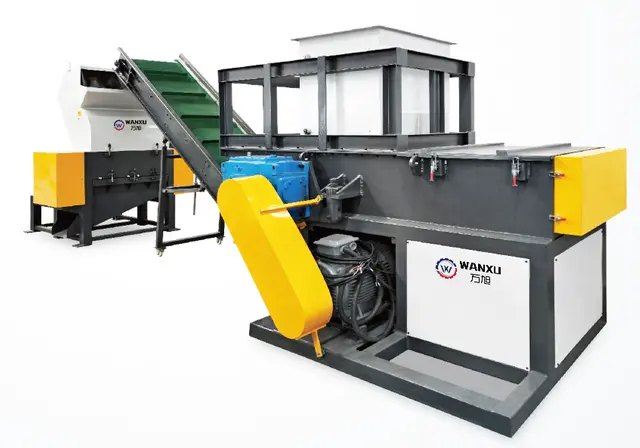
Despite the higher initial cost and maintenance requirements, four shaft shredders can provide lower operational costs in the long term due to their ability to handle high-volume, high-durability tasks more efficiently.
Each type of shredder has its ideal use cases. Understanding these applications can help you make a more informed decision.
Recycling centers: Shredding paper, plastics, cardboard, and other soft materials.
Small to medium manufacturing: Processing light industrial waste.
Wood waste: Ideal for shredding softwood and wood scraps.
Plastic recycling: Breaking down tough plastics like polyethylene and polypropylene.
Rubber processing: Shredding rubber tires and other rubber materials.
E-waste: Handling electronic waste and circuit boards.
Heavy-duty recycling: Recycling metals, hard plastics, and other resistant materials.
Fine material processing: Breaking down materials into very fine and consistent sizes.
Industrial waste management: Handling large-scale waste with precision and efficiency.
The right shredder depends on the materials you're processing and your operational needs. Consider factors such as the type of material, required particle size, volume of material, and maintenance capabilities. For general-purpose, cost-effective shredding, a single shaft shredder is a great choice. If you're working with tough materials and require higher throughput, a dual shaft shredder may be the better option. For highly demanding tasks requiring fine, consistent results, a four shaft shredder is your best bet.
In summary, single, dual, and four shaft shredders each offer distinct advantages suited to different types of applications. By understanding the unique features, benefits, and suitable use cases for each type, you can make a more informed decision that improves efficiency and reduces costs in your operation. Whether you're looking for simplicity, power, or precision, there’s a shredder that can meet your specific needs.
The main difference lies in the number of shafts and cutting mechanisms. Single shaft shredders have one rotating shaft, dual shaft shredders have two, and four shaft shredders have four. More shafts generally mean more shredding power and finer output.
Dual shaft shredders are typically the best for recycling plastic, especially tougher plastics like polyethylene and polypropylene. They provide the necessary shredding force for these materials.
Four shaft shredders are more expensive and require more maintenance, but they provide the finest output and longest machine life, making them worthwhile for industries that require precise material processing.
Single shaft shredders can handle light to medium-hard materials but may struggle with tougher materials like metals or rubber. For these, a dual or four shaft shredder would be more suitable.


