Views: 0 Author: Site Editor Publish Time: 2026-07-12 Origin: Site


Processing high-volume, variable-density waste streams presents a massive operational bottleneck for modern recycling facilities. Facility managers constantly battle jammed lines, inconsistent throughput, and stalled downstream equipment. When tough materials disrupt continuous flow, the entire plant suffers from catastrophic downtime and missed targets. Traditional high-speed mills often fail or break when encountering heavy metals, thick plastics, or bulky municipal solid waste. You need a robust primary size reduction system to handle these extreme shock loads safely. We will explore how a large double-shaft shredder delivers the necessary high-torque, low-speed shearing power. You will learn how to properly evaluate motor drives, blade metallurgy, and shaft configurations for your unique material profile. Finally, we provide a vendor-neutral engineering framework to help you specify and integrate these massive units smoothly into your existing bulk processing operations.
High-torque, low-speed dual-shear technology prioritizes continuous bulk throughput and jam reduction over precise output sizing.
Selecting the right heavy-duty shredder machine requires aligning motor power, shaft design, and blade metallurgy with specific material profiles.
Partnering for an OEM large shredder allows for custom hopper, footprint, and control system integrations tailored to specific facility constraints.
Many facilities rely heavily on single-shaft mills or standard hammermills for daily operations. These traditional systems work exceptionally well for dry, uniform, and highly predictable materials. However, they struggle immensely under severe mechanical stress. Bulky, tough, or highly contaminated waste loads cause frequent and frustrating jams. Municipal solid waste (MSW) contains hidden hazards like engine blocks or heavy steel pipes. Thick commercial tires and light scrap metal easily overwhelm standard high-speed rotors. The traditional blades merely chip away at the surface of these tough objects. This rapid, high-speed chipping action generates massive amounts of unwanted heat. It also introduces the severe risk of catastrophic rotor failure when the blades strike unyielding solid metal blocks. Facility operators lose countless hours extracting tangled wire or bent steel from jammed single-rotor chambers.
You absolutely need a different mechanical approach for unpredictable and punishing input streams. The dual-shear advantage solves this operational nightmare perfectly. Two massive, counter-rotating shafts slowly draw the bulky material downward into the cutting zone. They utilize extreme shearing and tearing forces rather than high-speed chipping impacts. The machine does not rely on rapid rotational speed to process the waste. Instead, it relies entirely on raw, unyielding crushing torque. The overlapping steel blades bite aggressively into oversized objects. They rip them apart effortlessly, folding and snapping heavy plastics or metals. This low-speed, high-torque mechanism creates significantly less dust and noise on the facility floor.
We must carefully manage expectations regarding the final material output. These heavy machinery units do not guarantee a perfectly uniform, screened particle size. They typically do not use restrictive screens beneath the primary cutting chamber. We accurately frame them as highly robust primary shredders. They prepare massive, unruly waste volumes for efficient secondary processing stages. By breaking down large items initially, they protect your sensitive, high-speed downstream equipment from severe damage. Once the bulk volume drops, you can safely utilize a heavy-duty shredder machine or a fast granulator for precise final sizing.
Evaluating a waste processing shredder requires deep, uncompromising engineering analysis. You cannot simply look at the overall physical footprint or the painted exterior. You must meticulously inspect the internal mechanical components and power delivery systems.
Facility engineers must choose carefully between electric and hydraulic main drives. Hydraulic systems excel dramatically in heavy shock-load applications. They offer instant, highly responsive reverse capabilities. When a massive steel block enters the cutting chamber, hydraulic pressure spikes safely and instantly. The internal fluid simply bypasses a mechanical relief valve. The heavy shafts stop rotating immediately. They then reverse automatically without damaging the expensive planetary gearbox. Electric drives provide entirely different operational benefits. They offer highly consistent, continuous operation and noticeably lower daily energy costs. Electric motors work best for somewhat predictable waste streams lacking massive solid metal contaminants.
Both drive systems must ultimately deliver sufficient rotational torque. High torque requirements strictly dictate the maximum cutting force applied to the waste. Robust auto-reverse mechanisms remain mandatory to handle unpredictable items safely.
Feature | Hydraulic Drive Systems | Electric Drive Systems |
|---|---|---|
Shock Load Tolerance | Exceptionally high; fluid absorbs extreme mechanical impact | Moderate; relies on physical mechanical clutches |
Reversing Speed | Instantaneous pressure-based reversal protects gears | Slight delay occurs during electrical phase shift |
Energy Efficiency | Lower efficiency due to continuous fluid heat generation | High efficiency for long-term continuous running |
Maintenance Needs | Requires routine fluid changes and high-pressure hose inspections | Requires standard motor bearing and gearbox lubrication |
Blade thickness and aggressive hook count dictate the machine's overall performance. Your specific input material strictly defines the required blade geometry.
Fewer hooks: Ideal for bulky, hollow items like industrial steel drums or tractor tires. Fewer hooks grab oversized objects easily without slipping.
More hooks: Perfect for loose, thin materials like carpets or plastic films. Extra hooks actively pull slippery material down into the cutting zone.
Alloy selection involves a highly complex metallurgical balancing act. Design engineers constantly navigate the tricky trade-off between hardness and toughness. High hardness offers excellent, long-lasting wear resistance against abrasive dirt and glass. However, extreme hardness makes the steel structure inherently brittle. Brittle blades shatter violently upon heavy impact with solid metal. You must strategically select specialized alloys balancing shock resistance and sharp edge retention.
The massive steel shafts bear extreme torsional loads continuously during operation. Hexagonal shafts distribute these heavy rotational loads evenly across the entire blade core. They resist metal fatigue significantly better than simple, outdated keyed shaft designs. Splined shafts offer even tighter mechanical tolerances for ultra-high torque applications.
Sealing systems ultimately dictate the heavy machine's total operational lifespan. You must relentlessly protect the main bearings from liquid intrusion and abrasive dust. Catastrophic bearing failure stops facility production entirely for weeks. Premium machines utilize incredibly heavy steel bulkheads. They incorporate complex, multi-stage labyrinth seals. These physical barriers prevent harmful contaminants from ever reaching the vital roller bearings.
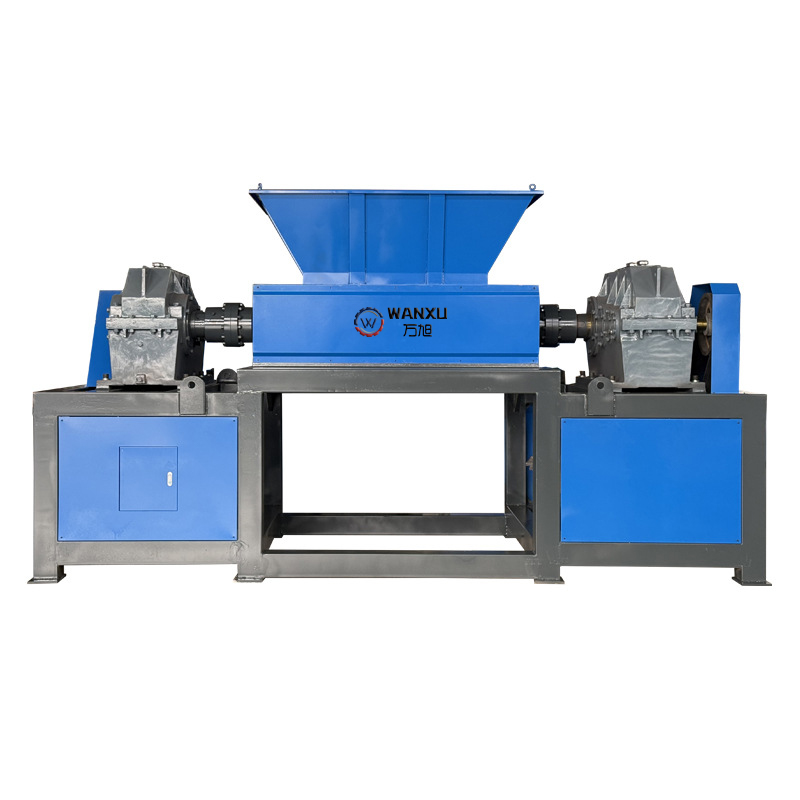
Facility managers must confront harsh, uncompromising maintenance realities head-on. Changing worn blades on a large industrial shredder demands significant, planned facility downtime. You cannot ignore this severe operational impact when designing your plant. Traditional machine designs require exhausting, complete teardowns of the cutting box. Maintenance technicians pull the entire heavy shaft assembly from the main housing. They then press off each dull blade individually using hydraulic rams. This grueling process takes several days of continuous manual labor. Modern, innovative designs offer modular cutting groups instead. These quick-change cutter cassettes slide out of the machine easily. Operators drop in a fresh, pre-assembled cassette immediately. This brilliant innovation shrinks expensive downtime from several days to mere hours.
Advanced control systems provide the next critical layer of risk mitigation. Programmable Logic Controllers (PLCs) automate all critical machine protection protocols.
Smart sensors detect sudden electrical amperage spikes continuously in real-time.
The central PLC triggers an immediate, aggressive shaft reversal to clear the blockage.
The automated system clears the stubborn jam without manual intervention.
The machine seamlessly resumes forward rotation, continuing the waste processing safely.
This vital automation completely prevents severe, costly electrical motor burnout. It also eliminates highly dangerous manual operator intervention near the cutting blades.
Finally, you must master both upstream feeding and downstream material integration. The primary feed hopper design remains critical to continuous throughput. Steep, expertly angled hopper walls rigidly prevent bulky waste from bridging above the shafts. Bridging effectively starves the cutting chamber, halting production entirely. You must also match your downstream discharge conveyor speeds precisely. A slow exit conveyor instantly creates a massive, debilitating bottleneck. Processed material backs up quickly into the shredder exit zone. This dangerous backup causes rapid blade wear and triggers unnecessary machine jams.
Standard, pre-built models often fall remarkably short in complex, high-volume recycling plants. A simple "one-size-fits-all" machine rarely fits any unique facility perfectly. You might accidentally overspend capital on completely unnecessary motor power. Conversely, you might severely underserve your daily required tonnage throughput. Buying basic off-the-shelf equipment introduces frustrating physical and digital integration compromises.
Partnering actively for a customized OEM large shredder provides massive, measurable operational advantages. Expert manufacturers customize critical mechanical variables directly for your specific floor plan constraints. They carefully modify feeding hopper geometry to match your specific wheel loaders. They build incredibly strong custom stands matching your exact sorting conveyor heights. They ensure rigorous, localized safety compliance, meeting OSHA or CE standards strictly. Furthermore, they integrate their advanced control panels directly into your existing facility SCADA systems. This seamless integration provides incredible plant-wide digital monitoring and predictive maintenance alerts.
You must never skip the crucial Factory Acceptance Testing (FAT) phase. You must physically test the fully assembled machine before the manufacturer ships it.
Send heavy sample loads of your exact facility waste stream directly to the testing factory.
Run this specific material forcefully through the customized cutting chamber.
Verify the actual continuous throughput tonnage under highly realistic, stressful conditions.
Confirm the critical auto-reverse sensors trigger correctly when encountering solid metals.
This rigorous, hands-on testing definitively guarantees the heavy equipment performs exactly as promised upon final installation.
Specifying the optimal primary size reduction equipment demands highly careful, objective engineering analysis. It deeply requires a delicate, informed balancing act from your technical team. You must perfectly align sheer rotational torque, advanced blade metallurgy, and physical plant integration. High-volume, unpredictable waste streams punish weak, poorly designed machinery aggressively every single day. Robust, precisely engineered dual-shear designs absorb these extreme operational shocks safely and reliably.
Take immediate, calculated action to secure your facility's operational throughput today. Conduct a highly thorough, uncompromising material audit directly on your active sorting floor. Document your heaviest, most abrasive, and most problematic daily waste items. Request transparent, highly verifiable throughput data directly from your shortlisted heavy machinery manufacturers. Finally, demand realistic, documented maintenance schedules to protect your recycling plant's continuous workflow safely.
A: Maximum throughput strictly depends on your specific input material density, physical blade configuration, and total drive power. These robust machines typically process anywhere from 5 to well over 50 tons per hour. Light, fluffy plastics yield lower tonnage rates compared to extremely dense municipal solid waste or compacted heavy tires. You must provide manufacturers with accurate material samples to receive guaranteed throughput metrics for your unique facility.
A: No, these machines act primarily as volume reduction tools rather than precision sizers. The rigid blade width rigidly dictates the maximum material strip size, but the output length remains highly variable. Long, flexible items may slip through the rotors partially intact. If your process requires strict, uniform sizing, we highly recommend adding a secondary single-rotor shredder or an external screening system downstream.
A: Blade lifespan varies dramatically based entirely on material abrasiveness. Processing clean, soft plastic allows blades to last many thousands of hours. However, shredding highly abrasive tire wire or scrap metal requires frequent maintenance. Facilities typically hard-face worn edges with specialized welding wire every few months to restore cutting geometry. Full blade replacement becomes necessary only when structural fatigue compromises the metal core completely.
A: Modern systems utilize automated PLC sequences to handle unshreddable items safely. When a massive steel block jams the rotors, smart sensors detect a severe electrical amp spike instantly. The system triggers an automatic, aggressive shaft reverse to free the trapped object. After clearing the jam, it resumes forward rotation. If three consecutive reverse attempts fail, the machine executes a controlled shutdown to prevent catastrophic gearbox damage.


