Views: 0 Author: Site Editor Publish Time: 2026-06-10 Origin: Site


Injection molding purgings and head lumps represent an undeniable operational headache. They tie up significant capital daily. They also waste valuable floor space across your facility. Furthermore, their extreme density destroys standard size-reduction equipment rapidly. We must shift our perspective immediately. You can transition from viewing hard plastic waste as a costly disposal expense into a profitable in-house asset. Investing in a specialized hard plastic lump shredder requires looking past base throughput specifications. You need to carefully evaluate rotor geometry, torque-to-speed ratios, and automated jam-prevention systems. These mechanical features ensure reliable financial returns without suffering excessive downtime. By choosing the right equipment, facilities regain complete control over scrap generation. Read on to discover how modern shredding architecture solves the density problem efficiently and secures your operational bottom line.
Specialized Engineering: Standard granulators fail on purgings; dedicated low-speed, high-torque shredding is non-negotiable for dense scrap.
ROI Drivers: In-house recycling of injection scrap reduces virgin resin purchasing and eliminates third-party disposal fees.
Critical Specs: Evaluation must center on blade durability, pusher-ram mechanics, and maintenance accessibility, not just motor horsepower.
Risk Mitigation: Material testing (running your specific purgings through a vendor's machine) is the most reliable final step before procurement.
Explain the material physics of injection molding lumps. During color changes or machine start-ups, facilities generate massive chunks of solid resin. These lumps feature high mass and zero internal voids. This physics profile differs entirely from thin-wall plastics or hollow molded parts. Solid purgings absorb kinetic energy rather than fracturing under impact. They present a formidable challenge to conventional recycling machinery.
Standard granulators fail rapidly when processing these dense blocks. Light-duty machines suffer from shattered blades and bent shafts continuously. They experience severe motor burnouts. They simply cannot process dense head lumps safely. High-speed impacts generate dangerous force spikes across the cutting chamber. Bearings shatter under these extreme shock loads. Attempting to force heavy blocks through inadequate machinery causes severe safety risks for nearby operators.
Inaction bleeds your profits daily. Storing bulky scrap consumes premium warehouse space quickly. You end up paying for specialized hauling services regularly. Alternatively, you might accept terrible buy-back rates from a third-party hard plastic recycler. These options drain capital away from your core operations.
To illustrate this operational challenge, review the material density processing chart below. It demonstrates why specialized engineering remains essential.
Chart: Material Density Processing Requirements | |||
Material Type | Density Profile | Required Equipment | Failure Risk on Standard Granulator |
|---|---|---|---|
Thin-Walled Scrap | Low Mass, High Voids | Standard Granulator | Low |
Thick Pipes / Profiles | Medium Mass, Partial Voids | Heavy-Duty Granulator | Moderate |
Injection Purgings | Extreme Mass, Zero Voids | Single-Shaft Shredder | Critical (Catastrophic Failure) |
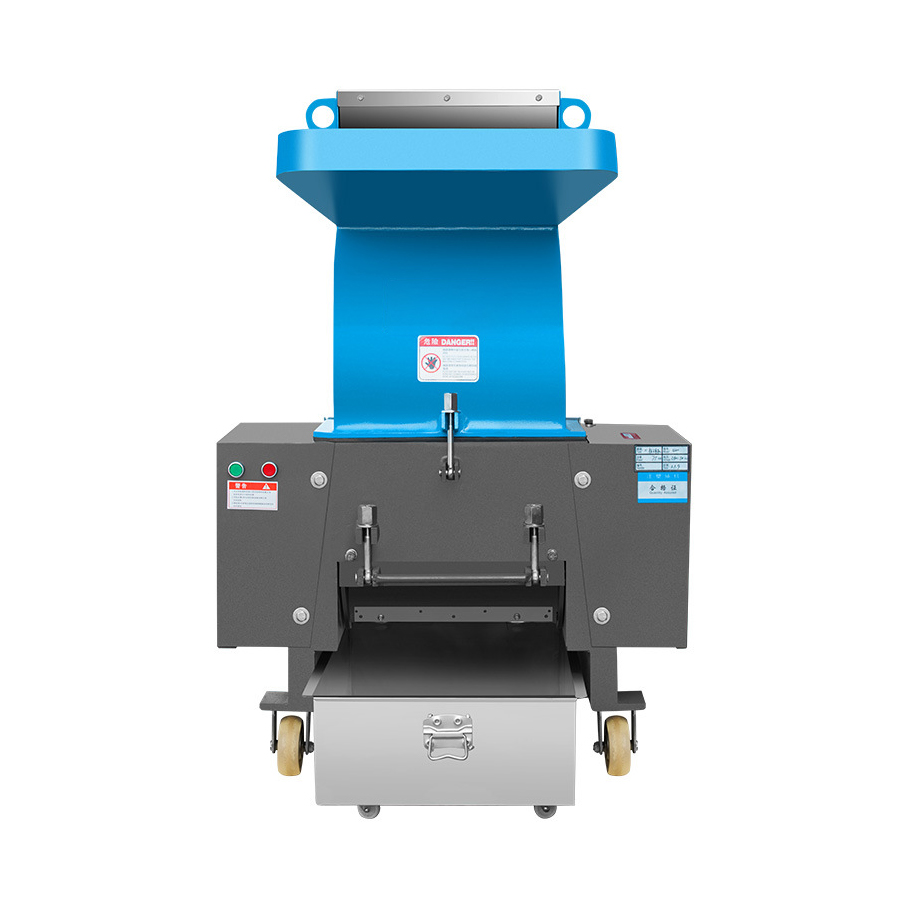
A single-shaft configuration paired with hydraulic pusher rams leads the industry. This design provides controlled feeding alongside constant cutting pressure. It prevents massive purgings from bouncing away from the rotor. The hydraulic ram forces the dense plastic block steadily against the spinning blades. This controlled engagement ensures consistent size reduction.
Staggered, indexable cutting knives remain absolutely essential. We often see 4-way reversible blades used here. They minimize operating costs significantly. These aggressive, heavy-duty rotor designs chip away at the lump slowly. They avoid attempting to bite the whole mass at once. Small, incremental cuts prevent system stalling. Low-speed operation also minimizes friction heat, which prevents the plastic from melting during processing.
Here are the core advantages of this rotor geometry:
Staggered knife placement distributes shock loads evenly across the shaft.
Concave blade shapes scoop out material efficiently.
Reversible edges extend the lifespan of each individual cutting tool.
Recessed blade holders protect the main rotor body from severe abrasion.
An automated Programmable Logic Controller (PLC) monitors the system constantly. Auto-reversing functionality acts as a critical electrical safeguard. The PLC detects sudden amperage spikes immediately. It reverses the rotor automatically. This clears the jam before overloading the primary motor.
Interchangeable screens dictate the final regrind size precisely. They prepare the shredded material for secondary granulation flawlessly. You simply swap the screen beneath the rotor. This allows you to achieve the exact output dimension required for subsequent processing.
Beware of best-case scenario spec sheets from aggressive sales teams. You should calculate throughput based on continuous, dense purging loads. Do not rely on average capacities derived from mixed light plastics. Manufacturers often inflate numbers using ideal, brittle materials. Demand realistic processing figures for solid polypropylene or glass-filled nylon blocks.
You must scrutinize wear part economics deeply. Focus heavily on long-term maintenance expenses. How much do replacement knives cost? Can your in-house maintenance teams swap them easily? A well-engineered purging shredder prioritizes quick knife access. Look for access doors opening fully. Avoid designs requiring extensive disassembly just to reach the cutting chamber.
Contrast direct-drive systems against belt-driven alternatives carefully. Belt drives offer superior shock-absorption. They slip slightly when hitting an unexpectedly hard pocket of plastic. Direct drives risk transferring shock directly into the delicate gearbox components. Fluid couplings also provide excellent protection. They cushion the mechanical connection between the motor and the gearbox effectively.
Drive Train Reliability Comparison | |||
Drive Type | Shock Absorption | Maintenance Complexity | Ideal Application |
|---|---|---|---|
V-Belt Drive | High (Belts slip under load) | Low (Easy belt replacement) | Heavy, unpredictable purgings |
Direct Gear Drive | Low (Transfers force directly) | High (Requires gearbox repair) | Consistent, softer plastics |
Fluid Coupling | Maximum (Fluid dampens shock) | Medium (Fluid checks required) | Extreme heavy-duty blocks |
Assess how the machine fits into your current plant. It must feed into existing infrastructure seamlessly. Consider conveyor belts feeding the hopper. Evaluate pneumatic blowers moving the output. Always install magnetic separators. They catch tramp metal effectively before it reaches secondary equipment.
Injection lumps are incredibly heavy. You cannot rely on manual loading safely. Operators risk severe back injuries lifting eighty-pound blocks. We recommend utilizing overhead hoists securely. Automated dumpers or heavy-duty incline conveyors also work perfectly. These tools feed the hopper safely and consistently. They distance your workforce from the active cutting zone.
Shredding hard plastic creates substantial noise. You must acknowledge this reality upfront. High-torque chipping generates loud, rhythmic impacts. Install soundproofing enclosures around the equipment. Implement localized dust collection systems nearby. Friction generates fine plastic dust during size reduction. These proactive steps ensure your facility meets strict OSHA regulations. They also maintain a comfortable working environment.
Even the finest plastic lump shredder demands strict discipline. You must establish rigorous preventative maintenance schedules. Routine blade turning remains non-negotiable. Regular sharpening keeps throughput rates high. Hydraulic fluid checks prevent pusher ram failures. Proper, consistent upkeep completely prevents sudden, expensive mechanical breakdowns. Neglecting basic maintenance destroys expensive rotors quickly.
Buyers must demand a physical factory test run. You should supply your own specific injection molding purgings. Watching the machine handle your exact waste profile provides ultimate confidence. Observe the amp meter during this trial. It reveals how hard the motor struggles against your material. Do not buy blindly based on brochures.
Use a simplified metric for financial evaluation. Follow these exact steps to calculate your expected returns logically:
Calculate the exact cost of virgin resin saved annually.
Add the third-party hauling and disposal fees avoided entirely.
Subtract the machine amortization costs over your expected timeline.
Subtract energy consumption metrics and projected wear part expenses.
Determine your true break-even point accurately.
Evaluate vendors based on strict service agreements. Prioritize local spare parts availability heavily. Rapid technician response times prevent disastrous production bottlenecks. Examine the warranty coverage specifically on the rotor and gearbox. An excellent injection scrap shredder always comes with comprehensive, long-term support. Ask for references from similar injection molding facilities.
A hard plastic lump shredder represents a critical production asset. It is never a generic, off-the-shelf purchase. Dense materials demand specific, heavy-duty engineering solutions. You must respect the physics of solid plastic blocks. Standard machinery will always fail under these intense conditions.
Focus purely on operational durability and rotor strength. Prioritize rigorous vendor testing above all else. Avoid chasing the lowest upfront purchase price blindly. High-quality engineering pays for itself quickly through uninterrupted uptime. Strong machines process waste relentlessly day after day.
Plant managers should audit their current scrap volume immediately. Calculate your wasted floor space precisely. Request a comprehensive material test from your shortlisted manufacturers today. Transform your dense purgings from a disposal burden into a valuable resource.
A: Yes, but it is optimized primarily for dense material. Thin-walled scrap might bounce around inside the large hopper without engaging the blades. A hydraulic pusher ram is absolutely essential. It keeps light material firmly engaged with the rotor for efficient processing.
A: Blade lifespan depends highly on material abrasiveness. Glass-filled polymers degrade steel blades much faster than standard polyethylene. Fortunately, indexable blades allow four distinct turns before total replacement is needed. This smart design drastically extends intervals between new knife purchases.
A: Usually, yes. A shredder reduces a massive lump down to coarse pieces, typically around 40mm. A secondary granulator is then used. It reduces those coarse pieces into a final, uniform 8-10mm regrind. You can then feed this material directly back into your main injection molding machine.
A: Tramp metal is an unavoidable operational reality. High-quality shredders utilize PLC auto-reverse and shear pins to prevent catastrophic motor damage. However, minor blade chipping remains highly likely. We strongly recommend pre-sorting scraps and installing over-band magnets on the discharge conveyor to catch rogue metals.


