Views: 0 Author: Site Editor Publish Time: 2026-07-15 Origin: Site


Every time you retire aging servers or laptops, you expose your organization to immense risk. Hackers constantly target discarded media for sensitive intelligence. Even minor security gaps during asset disposition can ruin corporate reputations instantly. Retiring IT assets creates dual vulnerabilities: the risk of catastrophic data breaches and the strict liability of improper environmental disposal. Organizations often mistakenly trust basic erasure software. This leaves fragments of readable data scattered across damaged drives.
We built this guide to help IT asset managers, compliance officers, and e-waste recycling operators navigate end-of-life media handling. You will discover a vendor-neutral framework to evaluate destruction methods and hardware investments. We also clarify modern compliance standards to keep you fully protected. By applying these insights, you can securely close the hardware lifecycle loop while supporting corporate sustainability goals.
Physical destruction via an industrial e-waste shredder remains the only method that guarantees 100% data irretrievability for end-of-life drives.
The choice between purchasing an OEM e-waste shredder and outsourcing to an ITAD (IT Asset Disposition) vendor depends on asset volume, internal security protocols, and CapEx vs. OpEx preferences.
Compliance is not just about the shredding process; it requires an unbroken, auditable chain of custody and a verifiable Certificate of Destruction (CoD).
Modern data destruction strategies must align with corporate ESG (Environmental, Social, and Governance) goals to ensure shredded materials are responsibly recycled.
Software wiping struggles heavily with modern storage technology. Erasure programs often fail to reach degraded sectors on aging disks. They simply skip damaged areas. This leaves hidden pockets of recoverable data behind. Solid-state drives (SSDs) introduce even more complexity. SSDs utilize wear-leveling algorithms to distribute data evenly across memory chips. These algorithms actively hide data blocks from standard wiping software. Degaussing also fails entirely on SSDs. Degaussing relies on magnetic field disruption. Because SSDs use flash memory instead of magnetic platters, degaussing them accomplishes absolutely nothing.
True endpoint security requires complete physical destruction. You cannot retrieve data from pulverized silicon. Using a dedicated hard drive shredder eliminates software bypass risks entirely. It removes human error from the equation. Technicians no longer need to verify wipe logs manually. The machine simply reduces the storage media to unreadable physical fragments. Once a drive passes through the interlocking cutting blades, data recovery becomes a physical impossibility.
You must weigh the predictable cost of physical shredding against catastrophic breach penalties. The table below illustrates this contrast clearly.
Security Breach vs. Physical Shredding Comparison
Evaluation Metric | Data Breach (Software Wipe Failure) | Physical Shredding Solution |
|---|---|---|
Financial Impact | Millions in fines, lost revenue, and lawsuits | Predictable, fixed operational expense |
Compliance Status | High risk of regulatory audits and penalties | Guaranteed alignment with strict privacy laws |
Reputational Damage | Severe loss of customer trust and brand value | Zero risk of brand damage from data leaks |
Execution Certainty | Uncertain due to degraded sectors and human error | Absolute certainty via pulverized media fragments |
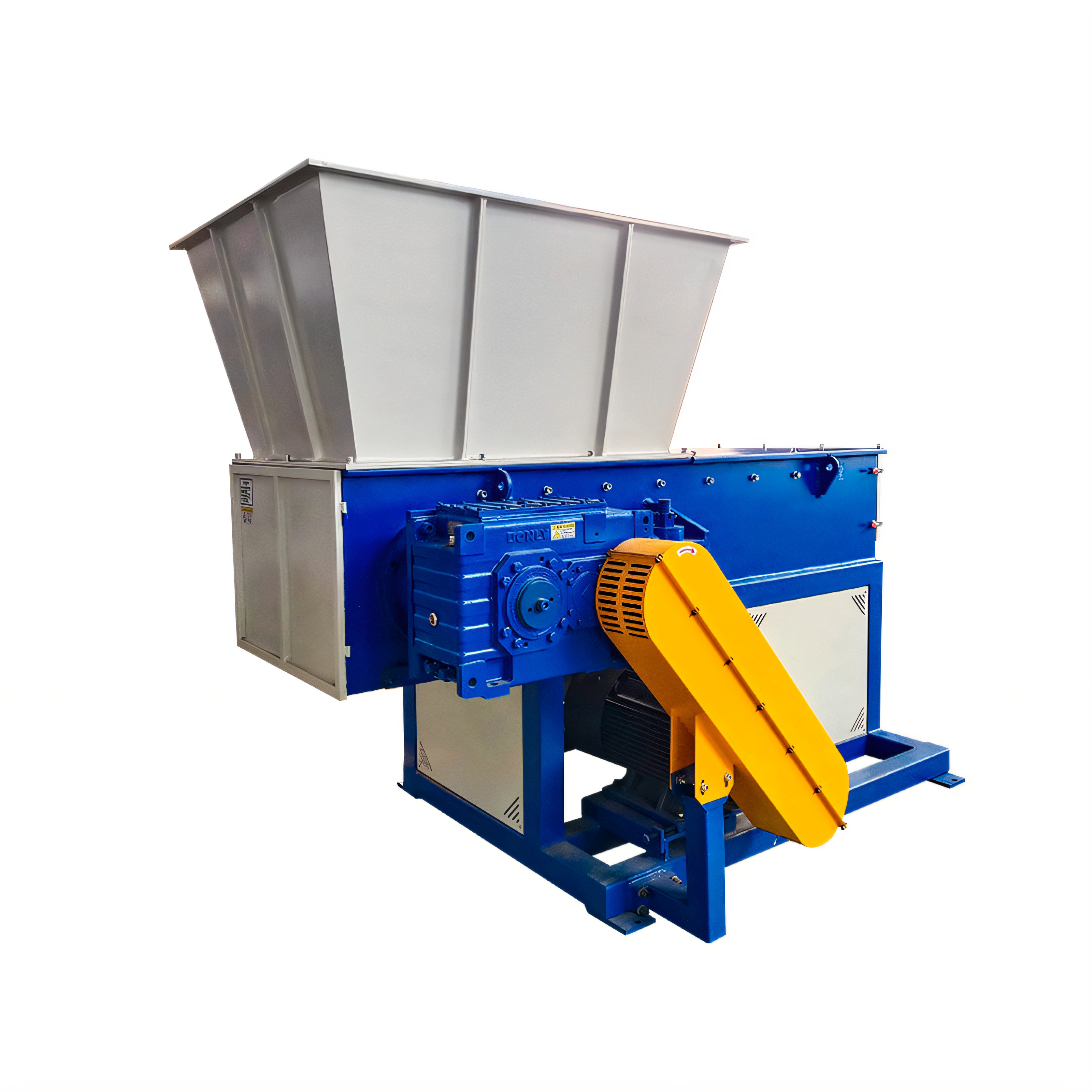
Outsourcing to IT Asset Disposition (ITAD) services works best for specific operational models. Organizations with fluctuating end-of-life asset volumes often prefer this route. It also suits companies lacking secure facility space for heavy machinery. You must evaluate two distinct service paths here: on-site and off-site destruction.
Mobile shredding trucks provide on-site, witnessed destruction. Your security personnel can watch the hard drives enter the machine. This ensures data never leaves your parking lot intact. Off-site destruction involves locked-bin transport to a secure facility. While off-site processing often costs less, it introduces transit risks. You must audit the vendor's GPS tracking and vehicle security protocols thoroughly.
Many organizations forbid data-bearing devices from leaving their premises. Data centers, government entities, and large enterprises usually enforce strict no-transport policies. For these organizations, handling destruction internally remains the only viable choice.
Procuring an OEM e-waste shredder directly from the manufacturer offers massive operational advantages. Buying direct secures better warranties and faster maintenance support. It also allows you to request custom torque and feed specifications. This ensures the machine perfectly matches your exact material processing volume.
In-house operations require careful facility planning. Industrial equipment generates significant noise and metal dust. You must install proper acoustic dampening and industrial dust mitigation systems. Maintenance downtime is another critical factor. Blades wear out over time. You need a reliable spare parts inventory to prevent processing bottlenecks. Finally, operator safety training is mandatory. Personnel must understand lock-out/tag-out procedures before operating heavy cutting machinery.
Shred size dictates your actual security level. You cannot treat all media types identically. Hard Disk Drives (HDDs) contain large magnetic platters. A standard shred width of 1.5 inches typically destroys HDD data effectively. However, Solid State Drives (SSDs) require much stricter specifications. SSDs store data on tiny microchips. A large shred width might let a microchip pass through completely untouched. To ensure absolute data destruction, SSDs require a particle size of less than 2mm. You must pulverize the individual flash memory chips into dust.
Processing speed directly impacts your operational efficiency. When evaluating a data destruction shredder, look closely at its continuous duty cycle capabilities. Some machines boast high pounds-per-hour metrics but overheat after two hours. True industrial units utilize robust cooling systems. They can run continuously across full eight-hour shifts. You must align motor capacity with your actual backlog. Buying an underpowered machine leads to frequent jams and premature motor failure.
Modern facilities rarely process just one type of media. You will likely encounter a diverse mix of IT assets. A high-quality e-waste recycling shredder handles varied materials without constant blade replacement. Versatility ensures a smoother workflow. Look for equipment capable of safely chewing through the following items:
Heavy server racks and aluminum enclosures
Corporate laptops and dense tablet computers
Magnetic tape arrays from legacy backups
Optical media, USB drives, and secure tokens
Network switches and heavy telecom brackets
Data destruction protocols must strictly align with global regulations. The NIST SP 800-88 framework serves as the gold standard for media sanitization. Following NIST guidelines protects you during federal audits. Healthcare organizations must comply with HIPAA regulations regarding patient records. Defense contractors adhere strictly to DoD destruction mandates. Furthermore, European operations must satisfy GDPR privacy requirements. Failing to meet these specific standards triggers devastating legal consequences.
You cannot blindly trust external vendors. You must verify their security claims independently. The NAID AAA certification acts as the primary benchmark for destruction vendors. The National Association for Information Destruction conducts unannounced facility audits. They check employee background screening processes. They inspect access control systems and verify particle size consistency. Always demand proof of active NAID AAA certification before signing vendor contracts.
Compliance relies entirely on verifiable documentation. If you cannot prove a drive was destroyed, auditors assume it was compromised. A valid Certificate of Destruction (CoD) transfers legal liability securely. Your CoD must include several mandatory elements:
The exact time and date of physical destruction.
The specific method and location of the process.
Unique serial numbers scanned for every single drive.
The printed names and signatures of the operating technicians.
Video verification logs tied to the batch processing ID.
Never trust vendors offering "free" electronics shredding. Legitimate data destruction carries inherent operational costs. Secure facilities, specialized machinery, and trained personnel require capital. A vendor offering free services often cuts corners. They might resell your intact drives overseas instead of destroying them. Legitimate compliance and liability transfer require transparent, paid processes. Always treat data destruction as a vital security investment.
Data destruction is only the first phase of asset disposition. Once the hard drives become jagged metal fragments, their lifecycle continues. Many organizations ignore this phase completely. They dump shredded particulate into standard landfills. This practice creates severe environmental toxicity. Heavy metals leach into groundwater over time. Responsible organizations track these materials long after the data is gone.
An industrial e-waste shredder prepares materials perfectly for downstream sorting. The shattered fragments move along heavy conveyor systems. Powerful overband magnets extract the ferrous metals immediately. Eddy current separators then repel the non-ferrous aluminum and copper into separate bins. Specialized refineries later extract the precious metals from the pulverized circuit boards. This mechanical separation recovers vital resources for future electronics manufacturing.
Corporate stakeholders demand measurable sustainability metrics today. Secure data destruction feeds directly into zero-landfill initiatives. By ensuring your metal scraps reach certified refineries, you actively support the circular economy. This process reduces the need for destructive virgin mining. It also helps organizations lower their Scope 3 greenhouse gas emissions. Documenting this responsible downstream recycling proves your commitment to global Environmental, Social, and Governance (ESG) mandates.
Choosing the right data destruction method requires clear, strategic thinking. Base your final decisions on three primary pillars. First, define your internal security policies and determine if sensitive data can ever leave your building. Second, calculate your annual asset volume to justify hardware investments versus outsourced services. Finally, demand strict adherence to NIST and NAID standards regardless of the path you choose.
Take immediate action to secure your vulnerable assets. We recommend conducting a comprehensive facility audit to locate aging IT equipment. Once identified, schedule a trial run with a certified ITAD vendor to observe their process. Alternatively, request a technical consultation with an equipment manufacturer to explore in-house shredding capabilities. Securing your data today prevents the catastrophic breaches of tomorrow.
A: The main difference lies in the blade configuration and required particle size. HDDs use large magnetic platters, so a wider shred width effectively destroys them. SSDs store data on dense, tiny microchips. An SSD shredder uses tighter blade tolerances to pulverize the material into particles smaller than 2mm, ensuring no chip survives.
A: A machine alone does not guarantee compliance. True compliance combines the correct physical shred size with a verified chain of custody. You must follow documented security policies, ensure proper employee training, and maintain strict audit trails to fully satisfy NIST SP 800-88 guidelines.
A: A CoD is a formal legal document that successfully transfers liability. It provides undeniable proof of destruction for auditors. A valid CoD details exact asset serial numbers, dates, technician signatures, and the specific destruction methods used during the media sanitization process.
A: No. Shredding lithium-ion batteries presents extreme safety hazards. Piercing a charged battery causes thermal runaway, leading to explosive, self-sustaining chemical fires. You must locate and remove all lithium-ion batteries from laptops, phones, and controllers prior to putting any device into the data destruction machinery.


