Views: 0 Author: Site Editor Publish Time: 2026-06-02 Origin: Site


Recycling rigid construction plastics presents a massive operational bottleneck. Facilities struggle daily to handle high-volume, thick-walled materials like six-meter rigid PVC pipes. You cannot simply drop these oversized components into a standard hopper. Using general-purpose shredders for rigid construction plastics leads to frequent machine jamming. It also causes excessive blade wear and demands high labor costs for manual pre-cutting requirements. This article serves as a complete technical evaluation guide. We will help you select a purpose-built PVC pipe shredder. A specialized machine maximizes your throughput and ensures continuous operator safety. It successfully mitigates specific challenges associated with processing PVC, such as extreme brittleness and heavy dust generation. You will learn exactly what specifications matter most. We outline core configurations, technical metallurgy requirements, and realistic throughput expectations to streamline your industrial plastic recycling operations safely.
Eliminate Pre-Cutting: Purpose-built horizontal shredders accept 6-meter pipes directly, removing the highest labor cost in pipe recycling.
Mobility vs. Fixed Lines: Mobile shredders drastically cut logistical costs for on-site construction demolition, while stationary lines offer higher automation for dedicated recycling plants.
Material-Specific Engineering: Processing PVC requires specific machine adaptations—such as closed chambers for dust mitigation, SKD-11 wear-resistant blades, and adjusted rotor speeds to prevent material caking or over-pulverization.
Turnkey Integration: A standalone shredder is rarely the final step; integrating a shredder directly with a plastic pipe crusher (granulator) ensures a uniform 12mm output ready for extrusion.
Recycling operations often misunderstand the physical demands of construction plastics. Standard top-feed hoppers simply cannot accept long items. Workers must manually saw oversized pipes before feeding them. This manual labor is highly dangerous. It exposes operators to moving blades and sharp edges constantly. Slicing a 1200mm diameter pipe takes immense time. Pre-cutting a six-meter long pipe drains your daily productivity. This bottleneck ruins operational efficiency.
Heavy-walled plastics also destroy standard machine components. Thick materials fight back against general-purpose blades. Standard rotors experience severe amperage peaks when biting into thick PVC. The motor struggles to maintain proper speed. Stalling becomes a frequent daily issue. You will notice rapid motor degradation over time. Processing thick plastics on underpowered equipment leads to massive maintenance bills.
Furthermore, general-purpose machines pose high contamination risks. They rarely feature outboard bearings. Internal bearings remain completely exposed to fine dust. PVC particles easily penetrate standard seals. Abrasive construction debris ruins bearing grease quickly. A dedicated construction plastic shredder solves this fundamental flaw. It uses specialized bearing housings mounted completely outside the cutting chamber. This isolation prevents mechanical failure from dust infiltration.
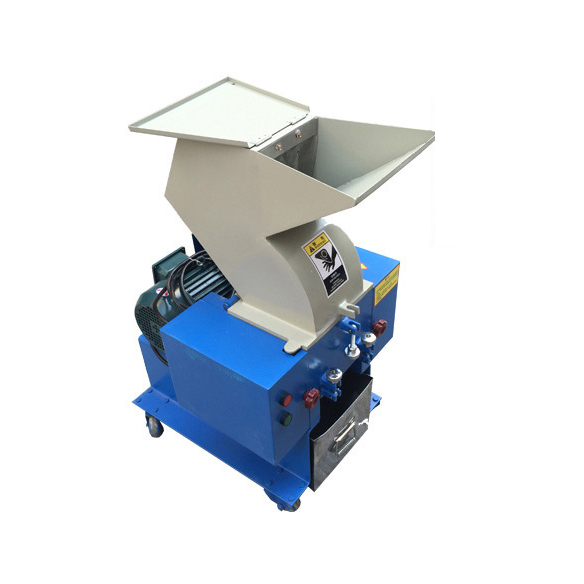
Facilities need specific machine shapes to match their incoming waste streams. We evaluate three primary structural configurations. First, we look at horizontal single-shaft systems. These are ideal for processing long stock lengths. Siding, window components, and pipes slide right in horizontally. The machine features a heavy-duty hydraulic swing-arm ram. This ram pushes long items directly into the spinning rotor. You achieve zero pre-cutting. Operators simply load lengthy materials onto an extended chute. The machine feeds itself safely.
Next, we examine mobile setups. These units work best in remote pipe yards. Municipal demolition sites also rely heavily on them. Think about the logistics of shipping empty pipes. You are mostly transporting air. Uncrushed pipes have extremely low density. Mobile units solve this issue directly on-site. They compact the waste immediately before transit. You haul dense, pre-shredded material instead. This logistical shift saves massive transportation costs.
Finally, we analyze combo systems. Many buyers want a complete closed-loop setup. A standalone machine is just step one. You need a reliable PVC recycling machine layout. Combo units integrate multiple reduction steps. They take raw waste and output a reusable 12mm flake. They accomplish this in one highly compact footprint.
Configuration Type | Best Use Case | Primary Advantage | Automation Level |
|---|---|---|---|
Horizontal Single-Shaft | Long pipes, window frames, siding | Eliminates manual pre-cutting entirely | High |
Mobile Shredder Line | Remote yards, demolition sites | Drastically reduces material transport costs | Medium |
Combo System | Dedicated recycling facilities | Outputs extrusion-ready 12mm flakes instantly | Very High |
Rotor and blade metallurgy form the heart of your machine. You cannot compromise on steel quality. Look for E-type rotors specifically designed for rigid plastics. These rotors feature large diameters, sometimes reaching 1500mm. They deliver massive inertia to break thick walls. You must specify high-chrome tool steel for the blades. SKD-11 and D2 are strict industry standards. They withstand the rigid nature of PVC easily. Standard blades dull far too quickly. We recommend using reversible concave blades. They lower your consumable costs significantly. You simply flip them when one side dulls.
Energy management requires smart technology integration. You need PLC-controlled hydraulic pushers. These systems monitor electrical draw constantly. They automatically retract the pusher during sudden amperage spikes. This smart feed prevents material jams before they happen. It protects the motor from burning out entirely. Some advanced setups offer energy-saving designs. They shut down idle rotors in multi-shaft units automatically. They only use full power when processing large batches.
Dust and emission controls are equally critical. PVC behaves differently than other common plastics. It is highly brittle and shatters violently upon impact. You must mandate closed-chamber designs. Integrated dust extraction systems are absolutely vital. They pull airborne particulates away from workers immediately. They also mitigate potential chlorine gas release. Excessive friction heat can degrade PVC chemically. Effective ventilation ensures facility safety and environmental compliance.
Specify SKD-11 or D2 high-chrome tool steel to prevent rapid blade dulling.
Ensure the PLC system includes an automatic reverse function for overload protection.
Verify the cutting chamber is completely sealed to prevent dust exposure.
Request outboard bearing housings to block abrasive particles from entering mechanical seals.
You must understand capacity limitations clearly when handling construction materials. The "brittle penalty" is a very real phenomenon. Processing PVC requires lower rotor speeds. Polyethylene and polypropylene can handle higher machine velocities. If you run PVC too fast, it creates major problems. The high friction generates excessive internal heat. This heat causes the material to cake or stick to the screen. You also risk over-pulverizing the plastic entirely. It turns into useless airborne dust instead of recyclable flakes. Buyers should always model a 25-35% capacity drop for PVC. Calculate this drop compared to standard HDPE throughput expectations.
Let us establish some baselining production expectations. Standard B2B models offer predictable yields. A machine featuring a 75-110kW motor handles standard pipe well. You can expect roughly 800-1000 kg/h from this setup. Heavy-duty units utilize massive 250kW motors. These large systems can push 2500+ kg/h easily. Proper speed calibration ensures you hit these targets consistently.
Motor Power (kW) | Target Material | Estimated Capacity (kg/h) | Required Rotor Speed Adjustments |
|---|---|---|---|
75 - 110 kW | Standard Wall HDPE | 1000 - 1300 | Standard High Speed |
75 - 110 kW | Rigid PVC Pipe | 800 - 1000 | Reduced Speed (-25%) |
200 - 250 kW | Heavy Wall HDPE | 3000 - 3500 | Standard High Speed |
200 - 250 kW | Rigid PVC / Profiles | 2500 - 2700 | Reduced Speed (-30%) |
A single machine rarely finishes the entire recycling job. A primary reduction machine only yields rough chunks. These initial chunks range from 100-200mm in size. You cannot feed them directly into an extruder. You must build a full size reduction line. We call this complete setup a turnkey flow.
The layout follows a strict sequential path. The initial machine performs the primary reduction. Next, a direct-connect conveyor moves the chunky material. Some modern setups use gravity feed to save space. The material enters a secondary machine next. This secondary step performs fine reduction down to 12mm flakes. An air fan system transports these uniform flakes efficiently. They land safely in a bulk storage silo for packaging.
Facility footprint matters deeply in modern plants. Floor space is always expensive. You should seek highly integrated machinery solutions. Link the primary and secondary stages directly whenever possible. Avoid relying on excessively long belt conveyors. Shorter material transitions maximize your factory floor space. They also help contain dust better. A compact footprint simplifies maintenance and keeps your operators safer.
Primary Reduction: Low-speed rotor breaks 6-meter pipes into 100-200mm irregular pieces.
Material Transfer: Enclosed conveyor or vertical gravity chute moves pieces downward.
Secondary Granulation: High-speed open rotor cuts pieces into consistent 12mm flakes.
Pneumatic Transport: Blower fans push flakes through sealed ductwork.
Final Storage: Flakes settle into bagging silos ready for extrusion.
Investing in specialized reduction machinery transforms your recycling facility. It shifts operations from manual, labor-intensive workflows to highly automated processes. Selecting the right equipment ensures continuous operator safety and higher profitability. Matching your rotor speed and blade metallurgy to the specific plastic prevents over-pulverization. Closed-loop setups yield extrusion-ready material efficiently within a single footprint. We advise operational managers to request a thorough material trial. Send your specific pipe wall thicknesses to the manufacturer directly. Test your exact diameters before finalizing any heavy equipment procurement.
A: Shredders are low-speed, high-torque machines designed for primary size reduction. They output rough 100-200mm pieces. Crushers, or granulators, are high-speed machines with open rotors. They serve as a secondary step to refine those large chunks into uniform 10-12mm flakes suitable for melting and extrusion.
A: Smaller plant-based systems usually start around $50,000. Heavy-duty horizontal systems or mobile units capable of handling 1200mm diameter pipes are more complex. These typically range between $80,000 and $250,000+. Your final investment depends on motor size, rotor design, and integrated automation features.
A: Yes, but you need intelligent PLC controls. PE is flexible and prone to wrapping around the rotor. PVC is highly rigid and shatters easily. A machine must feature adjustable rotor speeds and customizable screen sizes to handle both materials safely without jamming or generating excessive dust.


