Views: 0 Author: Site Editor Publish Time: 2026-06-23 Origin: Site


Open burning of agricultural plastics is facing strict global bans. Regulatory bodies strictly prohibit this practice due to toxic dioxin emissions. Meanwhile, landfill tipping fees for farm plastics continue to escalate rapidly. The economic reality is stark. An average 300-head dairy operation generates over 6,000 lbs of plastic waste annually. Managing this volume efficiently requires industrial-grade reduction.
The equipment bottleneck often halts recycling progress entirely. Standard size-reduction machines fail on agricultural films. High tensile strength causes severe tangling around cutting shafts. Extreme soil contamination destroys regular blades quickly. Choosing the correct specialized equipment is the foundational step. It ensures a profitable operation downstream.
You will learn how to identify essential rotor geometries. We will explore advanced wear protection mechanisms to extend machine life. You will discover the operational differences between single and double-shaft configurations. Finally, we will outline how to integrate this equipment into a seamless processing workflow.
Contamination is the primary risk: Field-recovered films often contain 30% to 80% non-plastic weight (mud, sand, rocks). Equipment must be evaluated on wear-resistance, not just throughput.
Tangle-free geometry is non-negotiable: LDPE and LLDPE films easily wrap around standard rotors, causing motor burnout and massive downtime.
Output sizing drives downstream success: Shredding film to a consistent 60–80mm size is required for subsequent friction washing and extrusion processes.
Configuration matters: Baled silage wrap requires a different torque and rotor setup compared to loose greenhouse film or rigid plastic drums.
The high cost of inaction severely impacts farm profitability. Environmental agencies closely monitor agricultural plastic disposal. Leaving waste unprocessed carries heavy regulatory risks. You risk steep fines for improper disposal or illegal incineration. Furthermore, hauling raw bales to municipal dumps drains operational budgets. Landfills charge premium rates for bulky, non-degrading materials.
We must redefine "waste" in the agricultural sector. Washed and pelletized LDPE holds significant market value. Processors downcycle these materials into high-demand products. Common applications include plastic lumber, industrial garbage bags, and agricultural irrigation piping. Upgrading your farm waste shredder unlocks this potential revenue stream. You transform a costly liability into a valuable commodity.
A general-purpose municipal shredder cannot handle this task. These machines fail when processing agricultural baled film. They cannot process erratic loads or handle high moisture content. Farm plastics are highly abrasive. Sand and dirt act as a grinding paste against internal components. Standard commercial blades degrade rapidly in these conditions. Operating incorrect equipment leads to frequent blade replacements and crippling downtime.
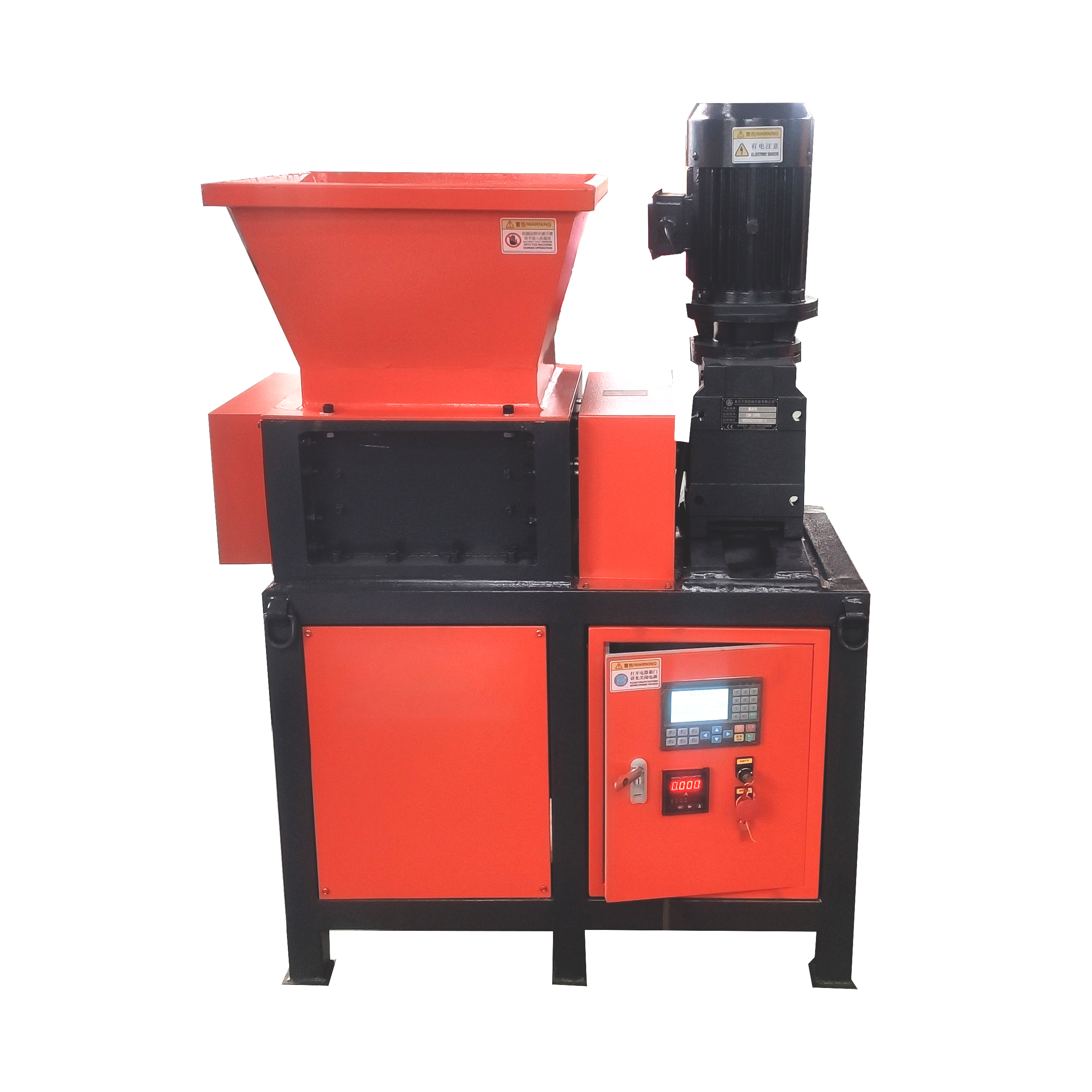
Evaluating an agricultural film shredder requires looking past raw horsepower. You must analyze specific engineering features built for harsh farm realities.
LDPE film stretches significantly before it breaks. It naturally wraps around rotating cylinders. You must look for specific fixed-blade clearances. Advanced rotor designs actively cut flexible material rather than allowing it to spool. A specialized silage film shredder features tighter tolerances between rotating and stationary knives. This precise gap creates a clean shearing action. It prevents plastic layers from melting and wrapping around the main shaft.
Field-recovered film contains massive amounts of dirt. Sand and soil act as an aggressive grinding paste during operation. You must evaluate machines featuring hardened wear plates. Vendors should offer specialized rotor coatings to protect the base metal. Easily replaceable screen grates are mandatory. Wear parts should meet a minimum hardness rating of 58 HRC. Hardox steel or similar abrasive-resistant alloys provide the necessary durability.
The drive system dictates how well the machine handles shocks. Baled film often hides accidental contaminants. Operators frequently find rocks, horseshoes, or metal tools inside bales. You must compare electromechanical versus hydraulic drives carefully. Hydraulic or high-torque low-speed drives offer superior shock absorption. They instantly reverse when they hit an uncuttable object. This protects the gearbox from catastrophic failure.
Drive System Comparison Matrix | |||
Drive Type | Shock Absorption | Maintenance Complexity | Best Application |
|---|---|---|---|
Electromechanical | Moderate | Low | Clean, pre-sorted loose film |
Hydraulic | Excellent | High | Heavily contaminated dense bales |
High-Torque Direct Drive | Very Good | Medium | Mixed agricultural plastics |
Wet mud and debris will inevitably clog sizing screens. You must evaluate the access doors and swing-ram designs. Daily clean-out speed dictates your true operational capacity. Machines featuring hydraulic access hatches allow operators to clear jams in minutes. Poorly designed equipment requires hours of manual unbolting. Time spent cleaning directly reduces your daily throughput.
Selecting the correct shaft configuration dictates your processing success. Each design serves a distinct purpose within the recycling workflow.
Double-shaft machines act as heavy-duty pre-shredders. They excel at breaking down massive, highly contaminated bales. The mechanism shears material slowly and deliberately. They do not use a sizing screen below the cutting chamber. This makes them highly resistant to hidden rocks and tramp metal. The material simply passes through the cutters.
However, double-shaft machines have a specific limitation. They produce irregular, long strips of plastic. These unpredictable sizes are unsuitable for direct feeding into washing lines. Downstream friction washers require uniform material to operate correctly.
Single-shaft machines deliver precision sizing. They produce consistent 60–80mm pieces needed for a seamless ag plastic recycling loop. The mechanism uses a swinging hydraulic ram. This ram pushes the greenhouse film machine waste against a high-speed cutting rotor.
This design offers a major advantage. Consistent output size maximizes the efficiency of downstream equipment. Friction washers can scrub uniform flakes efficiently. Squeezing machines can dry consistent pieces evenly. Single-shaft units form the heart of modern film reduction lines.
Configuration Output Chart | |||
Equipment Setup | Primary Action | Typical Output Size | Downstream Readiness |
|---|---|---|---|
Double-Shaft Only | Pre-cutting bales | 100mm - 400mm (strips) | Requires secondary shredding |
Single-Shaft Only | Precision sizing | 60mm - 80mm (flakes) | Ready for sink/float washing |
Two-Stage (Double to Single) | Complete reduction | 60mm - 80mm (uniform) | Optimized for high-capacity wash lines |
Even the best equipment struggles against poor operational practices. Managing contamination proactively protects your mechanical investment.
Operating in harsh environments accelerates wear. Processing material containing 40% sand requires stringent maintenance schedules. You must check blades every 40 to 80 hours. Dull blades tear the plastic instead of cutting it. This increases energy consumption drastically. Vendors must provide transparent blade-replacement costs upfront. Factor these consumable parts into your daily operational budget.
Wet film behaves differently than dry plastic. Processing wet material requires specialized screen geometries. Standard round holes easily plug up. Wet dirt and plastic compress together into a solid mass. This "pancaking" effect blinds the discharge area entirely. The rotor continues spinning, generating immense heat. You must specify conical screen holes or specialized grate patterns. These designs allow wet, sticky material to pass through without bridging.
Implementing source-reduction practices drastically reduces machinery wear. You must train farm staff on proper collection methods. Keep plastic away from mud whenever possible.
Store smartly: Place silage bags on concrete or asphalt pads instead of bare soil.
Handle carefully: Do not drag loose film across wet, muddy fields before baling.
Separate materials: Remove stiff baling twine from soft LDPE wrap during collection.
Shake it out: Use a front-end loader to shake excess dirt from the film before pressing it into bales.
These simple physical steps extend knife life significantly. They also reduce the volume of sludge your wash line must process later.
A shredder does not operate in isolation. It feeds a complex, multi-stage layout designed to produce clean pellets.
The reduction phase dictates washing success. Material moves from the shredder directly into a sink/float separation tank. Here, heavy sand and rocks drop to the bottom. The plastic film floats on the surface. Next, the film enters a high-speed friction washer. Fast rotating paddles scrub off embedded dirt, residual pesticides, and organic matter. Finally, the material passes through thermal or cold drying systems. Specialized squeezing machines physically press the water out of the film.
You must balance the entire line carefully. Sizing the shredder’s output correctly prevents disastrous bottlenecks. If your squeezer handles 2 tons per hour, your shredder must not push 5 tons per hour into the wash tank. You must match capacities across all stages. Install surge hoppers between machines. These buffering zones absorb temporary volume spikes. They keep the extrusion line fed at a constant, predictable rate.
Do not buy equipment based on raw horsepower alone. Power means nothing if the rotor constantly tangles. You must request physical test runs. Send your specific dirty bales to the manufacturer's testing facility. Verify their anti-tangling claims in real time. Monitor amp spikes during the operation. Steady amp draws indicate a clean, efficient cutting action. Wild amp fluctuations indicate the machine is struggling to process the material.
Common Mistakes to Avoid:
Buying based on clean post-industrial plastic trial videos.
Ignoring the cost of screen replacements.
Underestimating the water volume needed for the subsequent washing phase.
Failing to plan for adequate space around the shredder for maintenance access.
Investing in specialized reduction equipment secures your operational uptime. Standard machines simply fail against agricultural dirt and extreme tensile strength. You protect your margins by prioritizing robust wear-parts longevity. Proper rotor geometry stops tangling before it starts.
Strategic alignment dictates your vendor choice. Prioritize manufacturers who engineer specifically for the harsh realities of farm dirt. Avoid those who only understand clean post-industrial plastics. Heavy-duty drives, hydraulic access, and hardened steel must form the core of your machine.
Take immediate action to safeguard your investment. Audit your current farm plastic volume accurately. Estimate your average soil contamination percentage. Finally, request machine trial data based on your exact, unwashed material parameters. This systematic approach guarantees a resilient, profitable recycling operation.
A: Yes, but mixed loads increase tangling risks significantly. Polypropylene twine possesses immense tensile strength. It acts like wire inside the cutting chamber. Specific anti-winding knife configurations are required to handle this material safely. We recommend separating twine from soft film whenever possible to extend blade life.
A: Industrial ag shredders are built to tolerate 20% to 40%+ non-plastic contamination. This includes mud, sand, and trapped water. However, higher dirt levels directly correlate with more frequent blade rotations. You must establish a strict maintenance schedule to combat the abrasive nature of heavy soil contamination.
A: 60mm to 80mm is the established industry standard. It provides enough surface area for friction washers to scrub off pesticides and dirt effectively. If the pieces are too large, the centers remain dirty. If they are too small, the plastic turns into unmanageable dust that clogs water filters.


