Views: 0 Author: Site Editor Publish Time: 2026-06-17 Origin: Site


Acquiring an auto shredder represents a massive capital expenditure. It demands rigorous operational and financial justification from facility managers and investors. You face a constant tension every single day. You must maximize daily throughput while managing rising energy costs. Furthermore, operators must navigate stricter environmental compliance laws. Vehicle compositions change rapidly, adding more complexity. Processing heavy internal combustion engine (ICE) vehicles differs vastly from handling modern electric vehicles (EVs). They require different safety measures.
We created this no-nonsense framework to help you navigate these complex dynamics. You will learn how to evaluate an automobile recycling machine strictly based on separation purity, operating costs, and long-term mechanical reliability. We will guide you through drive system selection, rotor design, downstream sorting integration, and infrastructure planning. This structured approach ensures your investment yields clean, furnace-ready scrap. It also helps you maintain strict regulatory compliance across your entire processing facility.
Throughput claims must be weighed against actual motor efficiency, rotor durability, and grid capacity constraints.
Modern ELV shredding profitability depends heavily on the efficient management and downstream separation of Automotive Shredder Residue (ASR).
Compliance with evolving EPA and local environmental standards requires integrated dust suppression and hazardous material containment.
A realistic implementation timeline spans 6–12 months, requiring thorough site audits and foundation engineering.
Many operators evaluate their equipment based on raw destruction power. This approach is outdated. We must shift our focus from basic shredding to actual margin drivers. Operational success hinges on producing clean, furnace-ready commodities. Steel mills demand high-purity scrap. They heavily penalize loads containing copper wire, rubber, or excessive plastics. Therefore, your primary revenue driver is precise material liberation, not just high-volume crushing. You maximize margins when you separate premium steel, cast aluminum, and clean copper.
A vehicle shredder operates efficiently only as part of a comprehensive system. The depollution prerequisite remains absolute. Strict pre-draining and depollution protocols are non-negotiable for facility safety. You must extract all hazardous fluids, including engine oil, coolant, and brake fluid. Technicians must neutralize airbags before processing. Furthermore, you must remove EV batteries safely to prevent catastrophic fires. You cannot treat a shredding plant as a magic disposal box. Feed preparation dictates output quality.
You need concrete metrics to evaluate facility performance. We rely on strict key performance indicators (KPIs). You must track the cost-per-ton processed daily. This metric includes energy consumption, labor, and wear part degradation. You must also measure your ferrous and non-ferrous recovery rates. High throughput means nothing if valuable non-ferrous metals end up in the landfill. Finally, track planned maintenance downtime percentages. Predictable maintenance keeps operations profitable. Unexpected breakdowns destroy monthly margins.
Best Practices for Feed Preparation:
Establish a dedicated depollution station away from the main feed ramp.
Train staff to identify and extract hidden lithium-ion battery packs.
Remove heavy engine blocks if your specific hammer mill cannot handle severe impact loads.
Bale or flatten depolluted chassis to create a consistent, predictable feed rate.
Evaluating the core mechanics requires deep engineering scrutiny. You must start with the primary drive system. Buyers typically choose between electric motors and diesel engines. Electric drives offer significant long-term advantages in fixed facilities. They require less routine maintenance than diesel engines. However, electric drives demand massive upfront infrastructure investments. You must verify your local energy grid requirements. Diesel systems offer mobility and independence from the grid. However, diesel engines face strict localized emission restrictions and fluctuating fuel costs.
We use the following evaluation table to compare standard drive formats.
Evaluation Metric | Electric Drive Systems | Diesel Drive Systems |
|---|---|---|
Upfront Costs | High (requires substations and heavy cabling) | Moderate (self-contained units) |
Energy Grid Requirements | Requires massive heavy-amperage industrial utility access | Independent; requires bulk fuel storage on site |
Long-Term O&M | Very low maintenance; highly reliable over decades | High maintenance; requires regular engine servicing |
Emissions & Compliance | Zero direct emissions; highly favorable for local permits | Produces exhaust; subject to Tier 4 Final regulations |
Next, you must evaluate the rotor and hammer design. The rotor is the beating heart of any car shredder. You will encounter capped rotors and disc rotors. Capped rotors provide excellent protection for the main rotor body. They handle dense, heavy materials well. Disc rotors offer different kinetic advantages but may wear differently depending on your feed. You must assess wear-part replacement intervals. Ask the manufacturer how long it takes to swap hammers. Easy access to the shredding chamber reduces maintenance downtime significantly.
Finally, you must evaluate equipment based on output density. Many buyers focus entirely on theoretical tons-per-hour (TPH). This metric often misleads buyers. You should evaluate the machine based on required output density instead. Steel mills typically demand scrap density between 70 and 80 pounds per cubic foot. A machine might process 50 tons per hour, but if the scrap is too light and fluffy, mills will reject it. Focus on how well the machine densifies the metal.
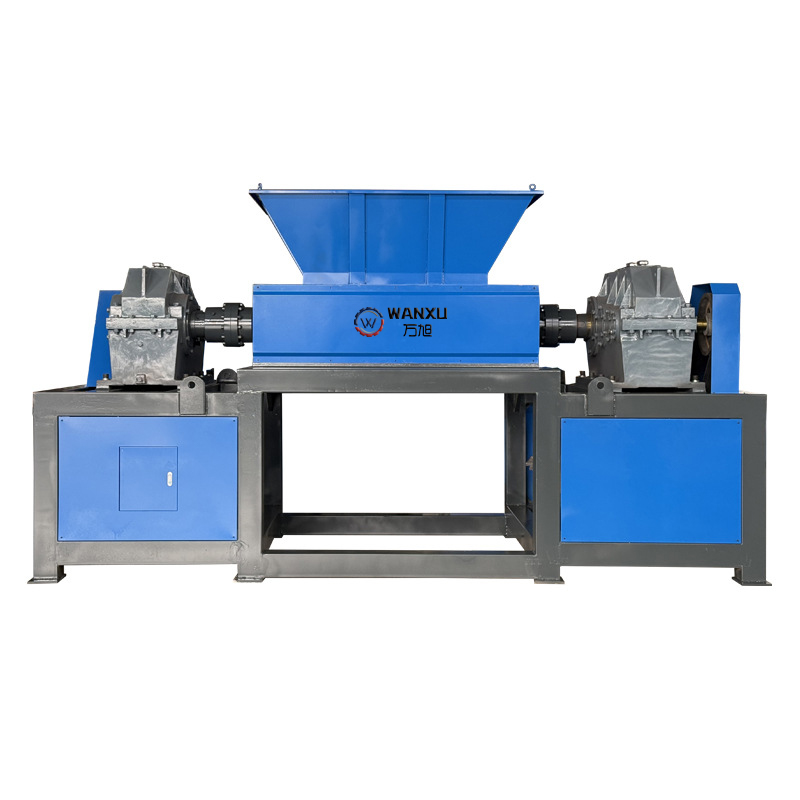
Modern shredding profitability hinges on waste management. Automotive Shredder Residue (ASR) represents the ultimate operational bottleneck. ASR consists of plastics, foam fluff, broken glass, rubber, and dirt. It remains after you extract the valuable metals. Legacy systems fail to separate ASR cleanly. They mix fine copper wire and aluminum fragments into the fluff. This failure causes massive landfill cost spikes. Every ton of heavy ASR sent to a landfill eats directly into your net profits. You must separate it efficiently.
You also face harsh regulatory realities. The Environmental Protection Agency (EPA) enforces strict guidelines regarding processing facilities. Local municipalities aggressively monitor compliance. You must account for volatile organic compounds (VOCs) released during the shredding process. Heavy metals often leach into the soil from improperly stored ASR. Particulate matter (dust) poses severe respiratory hazards to workers and nearby communities. You cannot ignore these environmental standards. Passing an audit requires proactive engineering.
You must evaluate machines that feature integrated mitigation systems. Modern facilities use advanced water injection systems inside the shredding chamber. This cools the machine and suppresses explosive dust. Cyclone dust collectors pull particulate matter out of the air stream before it escapes the plant. Noise abatement enclosures reduce the decibel levels to comply with municipal zoning laws. Investing in these features upfront prevents costly operational shutdowns later.
Common Mistakes in ASR Management:
Treating ASR as garbage rather than a secondary source of micro-metals.
Ignoring stormwater runoff regulations near ASR storage piles.
Failing to maintain dust collection ductwork, leading to dangerous internal blockages.
Underestimating the rising cost of landfill tipping fees over a decade.
An ELV shredder is only as good as its downstream sorting equipment. The primary mill merely liberates the material. The downstream system actually creates your saleable product. System compatibility determines your final margin. If your sorting conveyors run too fast, sensors will miss valuable metals. If the vibratory feeders distribute material unevenly, magnets will trap copper under heavy steel plates. You must engineer a synchronized downstream flow.
Magnetic and eddy current separation form your baseline requirements. First, powerful drum magnets isolate ferrous metals (steel and iron) from the main stream. The remaining material moves forward. Then, eddy current separators induce a magnetic field to repel non-ferrous metals. This throws aluminum, brass, and copper forward into a separate bin. The dead ASR fluff drops straight down. You must calibrate these machines weekly to maintain optimal recovery rates.
Advanced facilities integrate sophisticated sensor sorting. X-ray transmission (XRT) and optical sorters provide incredible return on investment (ROI). These sensors detect the atomic density of different metals. They isolate heavy metals from light cast aluminum. Optical sorters use high-speed cameras and air jets to shoot copper wire out of the waste stream. These systems transform low-value mixed scrap into premium-grade commodities.
We summarize the ideal downstream process sequence below.
Processing Stage | Equipment Used | Target Material Isolated |
|---|---|---|
1. Primary Ferrous Extraction | Electro-Magnetic Drum | Shredded Steel / Iron |
2. Non-Ferrous Repulsion | Eddy Current Separator | Zorba (Mixed Aluminum/Copper) |
3. Fine Material Sifting | Trommel Screen | Dirt / Glass / Heavy Fines |
4. Density Classification | X-Ray Transmission (XRT) | Cast Aluminum vs. Heavy Metals |
5. Premium Upgrading | Optical / Color Sorters | Clean Copper Wire / Brass |
Implementing heavy processing machinery exposes you to massive hidden risks. Infrastructure realities dictate project timelines. You cannot simply drop these machines onto a standard parking lot. They require custom concrete foundations. Engineers must calculate soil bearing capacity and pour massive concrete blocks to handle extreme kinetic energy. You must install advanced vibration dampening systems. Otherwise, the constant shaking will destroy adjacent structures. High-voltage power drop requirements often force operators to pay utility companies for major substation upgrades.
Vendor vetting separates successful projects from costly disasters. You must verify all manufacturer claims rigorously. Demand verifiable case studies from the vendor. These case studies must feature material similar to your local feed. Shredding European sedans differs greatly from shredding heavy American trucks. Assess the vendor's domestic parts availability. If a critical bearing fails, waiting four weeks for an overseas shipment will ruin your quarter. Demand Service Level Agreement (SLA) backed field service response times.
We recommend a strict three-step decision framework when shortlisting vendors.
Site Capability Audit: Evaluate your current land. Measure your electrical grid capacity. Test soil stability. Determine if your zoning permits heavy industrial noise. Do this before looking at equipment catalogs.
Material Testing and Demonstration: Send your actual scrap to the vendor's test facility. Witness the machine processing your exact material. Measure the output density and verify the separation purity.
10-Year Lifecycle Financial Modeling: Calculate long-term capital efficiency over a decade. Include routine maintenance labor, energy consumption rates, and consumable wear parts in this analysis. Evaluate the financial feasibility of replacing major rotor components over ten years.
Choosing the right ELV equipment requires balancing mechanical brute force with precise material separation. You cannot sacrifice output purity for raw volume. The true profitability of modern recycling lies in the downstream sorting and efficient waste management. Dust suppression, emissions control, and ASR mitigation secure your facility against strict regulatory penalties.
Before you request formal vendor quotes, initiate a comprehensive site infrastructure audit. Verify your power grid capabilities and soil stability first. This ensures accurate baseline sizing for your equipment. By focusing on detailed financial modeling and strict vendor vetting, you will secure an investment that consistently produces furnace-ready commodities for decades.
A: Industrial shredders demand massive electrical infrastructure. Small units require at least 1,500 to 2,000 horsepower. This often translates to a 4,160V or 13,800V medium-voltage service. Your local utility must support heavy amperage spikes during motor startup. Smaller scrap yards frequently lack this grid capacity. You may need costly substation upgrades before installation. Always conduct a utility audit first.
A: Operators cannot feed intact EVs into standard shredders. You must extract all lithium-ion battery modules first. High-voltage batteries create extreme fire and explosion risks inside the shredding chamber. Thermal runaway events will severely damage equipment. Safety protocols constantly change regarding EV depollution. Yards must train staff specifically for high-voltage isolation before processing EV frames.
A: Wear part longevity depends directly on your feed material. Hammers typically last between 2,000 and 5,000 processing tons. Grates and liner plates might survive 15,000 to 30,000 tons. Processing clean, prep-baled cars extends part life. Shredding heavy steel or engine blocks degrades manganese steel rapidly. You must monitor wear patterns daily to prevent catastrophic rotor failure.
A: Yes, many large shredders handle whole vehicles. Heavy-duty feed rollers flatten the unbaled car bodies before they enter the hammer mill. This controls the feed rate and prevents motor stalling. However, processing unbaled cars requires stringent depollution beforehand. Smaller machines often require you to pre-flatten or bale the cars. Always match the feed opening to your yard's preparation capabilities.


