Views: 0 Author: Site Editor Publish Time: 2026-06-06 Origin: Site


Managing dense flooring waste presents unique operational bottlenecks for modern processing facilities. Plant managers often struggle reducing textile offcuts efficiently. The notoriously difficult mechanical properties of long polymer fibers frequently halt standard production lines. Traditional disposal methods now incur severe landfill penalties worldwide. Toxic binders and stain-resistant chemicals make open dumping an unacceptable environmental liability. Furthermore, sky-high logistics costs for transporting bulky materials constantly drain your profit margins. You must transition from generic size-reduction equipment to a highly specialized carpet shredder engineered explicitly for high-tensile materials. This guide breaks down the essential engineering criteria and facility implementation risks you will inevitably face. We will explore lucrative revenue pathways ranging from refuse-derived fuel production to secure brand destruction. Read on to master the mechanics behind uninterrupted, high-capacity industrial shredding.
Dedicated vs. Generic: Processing woven fibers requires anti-winding rotor geometry; generic shredders suffer from frequent jamming and mechanical overload.
Revenue Pathways: A properly specified carpet recycling machine converts high-volume liability into valuable commodities like RDF (high BTU), PE resin feedstocks, and insulation base.
Operational Control: Predictable output relies on screen-controlled single-shaft configurations (typically yielding 40mm x 40mm chips) combined with hydraulic ram feeding to handle dense rolls.
Risk Mitigation: Successful facility rollout demands integrating metal detection and dust extraction (vacuum systems) to protect equipment and maintain safety compliance.
Traditional disposal methods severely impact daily facility operations. Post-consumer waste incurs steep landfill fees across most municipalities. The sheer bulk volume of these materials drives up disposal costs exponentially. Environmental hazards compound this financial burden further. Synthetic carpets contain toxic glues, thick latex bases, and persistent stain-resistant chemicals. Decomposing fibers release volatile organic compounds into the atmosphere. They also leach harmful substances directly into local groundwater. Municipalities actively penalize facilities attempting to dump these hazardous materials openly.
Implementing a shredding strategy instantly solves the bulk volume problem. The material reduction ratio often exceeds a four-to-one margin. This volume collapse directly slashes expensive freight and warehousing costs. You reclaim valuable floor space immediately. Facilities see their transportation budgets drop significantly after integrating a carpet recycling machine. Shrinking bulky offcuts streamlines your entire outbound logistics workflow.
You must monetize this processed output aggressively. We can identify three highly profitable revenue pathways for shredded polymers:
Waste-to-Energy (RDF): Synthetic fibers hold tremendous energy value. They boast extremely high British Thermal Unit (BTU) ratings. This makes the shredded output an ideal alternative fuel source. Energy facilities actively purchase this Refuse-Derived Fuel to power industrial kilns.
Closed-Loop Recycling: Modern recycling extracts valuable polyester and PE resins. Operators pelletize these extracted polymers efficiently. They sell them back to manufacturers for new fiber production.
Secondary Applications: Processed fibers serve critical roles in alternative manufacturing sectors. Construction firms use them extensively for acoustic padding. Automotive manufacturers rely on them for vehicle insulation. Flooring companies repurpose them into premium carpet underlayment.
General-purpose size reduction equipment fails spectacularly on textiles. Long, flexible fibers create a notorious winding problem inside standard chambers. They wrap tightly around the main cutting shaft constantly. This spooling action causes immense internal friction. Heat builds up rapidly inside the processing chamber. Catastrophic bearing failure inevitably follows this thermal stress. Operators must halt production completely to manually cut tangled messes off the shaft.
A dedicated textile carpet shredder resolves this fundamental engineering flaw completely. These machines utilize highly specialized anti-winding cutting geometry. Engineers design them utilizing extremely tight tolerances between the rotary and stator knives. Specialized rotor profiles shear flexible fibers cleanly like scissors. The sharp blades slice through heavy materials before they can ever spool.
Intelligent automation prevents manual intervention during heavy processing. Advanced Programmable Logic Controllers (PLCs) monitor main motor loads constantly. The system senses harmful torque overloads immediately. When thick layers jam the cutters, the machine automatically stops the rotor. It reverses the shaft briefly to clear the blockage safely. Normal downward feeding resumes automatically seconds later. This auto-reversal logic guarantees maximum uptime.
Gravity feeding simply cannot handle heavy flooring rolls efficiently. You need consistent downward pressure entering the cutting chamber. A hydraulic ram feeding system provides this necessary horizontal or vertical force. The heavy-duty pusher maintains monitored pressure against the cutting rotor. It guarantees optimal material throughput constantly. The motor operates smoothly without stalling under extreme shock loads.
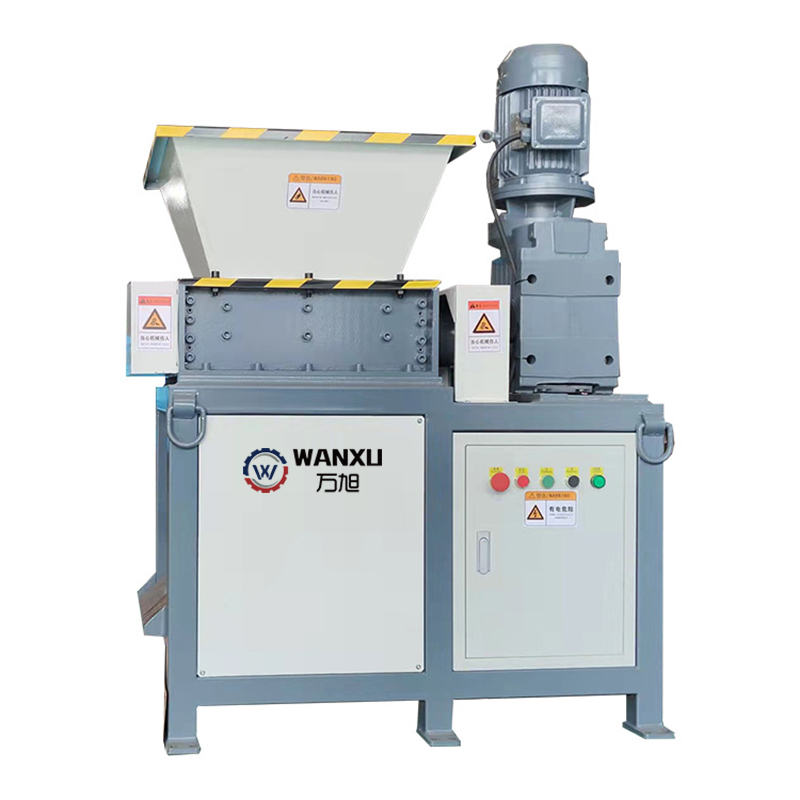
Procuring the right flooring waste shredder requires evaluating strict engineering criteria. You must analyze rotor speed and torque profiles carefully. Processing multi-layer polymers demands high-torque, low-speed mechanics exclusively. This robust approach rips through thick synthetic backings effectively. High-speed alternatives generate excessive operational heat. This intense friction melts synthetic fibers into a solid, unmanageable mess.
Blade metallurgy determines your overall operational uptime. You should always specify D2 tool steel for your cutting knives. This specific alloy contains high carbon and chromium levels. It provides exceptional wear resistance against abrasive contaminants. Post-consumer carpets trap highly abrasive dirt and sand deep inside their weave. Standard blades dull quickly under these harsh conditions. We recommend selecting reversible cutter designs. Operators simply rotate the blade when one edge dulls, doubling maintenance intervals effortlessly.
Predictable output relies entirely on screen-controlled sizing. Ensure the machine uses heavy-duty, interchangeable sizing screens. Different downstream applications require vastly different particle sizes.
Downstream Application | Recommended Screen Size | Primary Objective |
|---|---|---|
Landfill / Transport Volume Reduction | 100mm (or no screen) | Maximum throughput, basic densification. |
Standard Recycling / RDF Production | 40mm x 40mm | Uniform chips for high-BTU kiln combustion. |
Fine Processing / Pelletizing | 10mm – 20mm | Small particles ready for extruder melting. |
Drive reliability dictates continuous plant operations. Direct-drive motors transfer maximum power directly to the main shaft. Heavy-duty gearbox setups handle extreme shock loads safely during operation. Continuous, multi-shift plant operations require these robust drive systems. Here is a quick comparison chart illustrating why dedicated shredders outperform generic models.
Feature Matrix | Generic General-Purpose Shredder | Dedicated Textile Shredder |
|---|---|---|
Rotor Design | Standard block cutters (prone to winding) | Anti-winding v-shaped geometric array |
Clearance Tolerance | Loose (allows fibers to slip through) | Extremely tight (forces scissor-like shearing) |
Heat Generation | High (melts synthetic polymers) | Low (preserves material integrity) |
Facilities often overlook highly profitable commercial security applications. A robust rug shredder doubles as a powerful secure destruction asset. Intellectual Property protection represents a massive, untapped commercial market. High-end brands require absolute certainty regarding sensitive material disposal. Corporate auditors demand documented proof of physical destruction.
You can capture these high-margin destruction contracts easily. Target the destruction of prototype flooring designs before product launches. Corporate clients pay premium rates for secure branded uniform disposal. Law enforcement agencies need reliable destruction of counterfeit garments. Manufacturers regularly discard out-of-spec textile inventory safely to prevent black market resales. Offering these specialized services diversifies your facility revenue far beyond basic recycling.
Rigorous verification requires strict operational protocols. Follow these critical steps to guarantee secure destruction for B2B clients:
Install a fine processing screen (typically 10mm) inside the cutting chamber.
Process the sensitive textiles under continuous facility camera surveillance.
Verify visually the shredded output is completely unrecognizable fluff.
Issue a certified Certificate of Destruction to your corporate client.
This transparent framework builds immense industry trust. It positions your facility as a premier partner for major corporate brands.
Successful facility rollouts require proactive operational risk management. Material contamination plagues post-consumer carpets constantly. Hidden metals conceal themselves deeply inside the fabric weave. Heavy staples and wooden tack strips enter the cutting chamber completely unseen. Unseen tramp metal destroys cutting edges rapidly. Workers cannot spot these tiny hazards manually during high-speed loading.
You must implement strict risk mitigation strategies immediately. Install pre-shredding metal detectors directly on the main infeed belt. This device halts the conveyor instantly upon detection. Add cross-belt magnetic separators post-shredding to catch remaining ferrous particles. This dual-layered approach protects your expensive downstream granulators perfectly.
Processing dry textiles generates significant airborne particulates daily. Dirt-laden carpets release dense dust clouds instantly upon shearing. This presents severe occupational health hazards for your machine operators. Excessive dust accumulation also creates massive facility fire risks. Standard industrial safety protocols dictate aggressive extraction systems. Mandatory integration of industrial vacuums remains non-negotiable. Place localized dust extraction hoods directly above the outfeed conveyors. This keeps your facility compliant, clean, and entirely safe.
Workflow automation prevents manual loading bottlenecks effectively. Evaluate your exact floor footprint carefully before installation. Dense carpet rolls weigh hundreds of kilograms. Manual lifting causes severe operator fatigue and limits hourly throughput. Utilize heavy-duty incline conveyors for continuous, automated feeding. Alternatively, implement forklift-friendly hopper designs. Both layout options ensure your operators maintain peak production rates effortlessly.
Optimizing your facility requires strategic, data-driven equipment selection. Base your final procurement on three critical operational factors. First, analyze your specific material mix thoroughly, noting the ratio of post-consumer waste to clean edge trim. Second, calculate your required hourly throughput accurately to avoid under-sizing the motor. Finally, determine the strictness of your desired output size based on downstream buyer demands. Careful planning eliminates costly integration errors later.
Do not purchase heavy machinery based on marketing brochures alone. Action-oriented next steps demand concrete empirical evidence. Request a live material test from the manufacturer immediately. Ship your facility's actual flooring and textile waste for this trial. Verify their throughput claims in real time. Confirm the anti-winding geometry actually works on your toughest materials. Inspect the shredded chips physically to ensure screen consistency. Taking these definitive steps guarantees a successful, highly profitable operational upgrade.
A: Yes. Specialized single-shaft shredders utilize high-torque gearboxes and heavy-duty blades. Engineers design them specifically to shear through multi-layered synthetic backings. They easily process thick latex and PU materials without stalling the main motor or melting the plastics.
A: Mechanically, they belong to the same category of specialized flexible-material shredders. They all utilize vital anti-winding rotors. The terminology differs based on the specific industry application, such as garment factories versus flooring mills. However, the core engineering requirement—preventing long fibers from wrapping around the shaft—remains identical.
A: Your downstream buyer or internal process dictates the exact output size. Volume reduction for landfills generally requires no screen or a coarse 100mm screen. RDF production typically demands a uniform 40mm by 40mm chip. Secure IP destruction or re-pelletizing applications require fine screens between 10mm and 20mm.
A: High-quality D2 blades can withstand occasional small staples. However, bulk processing of post-consumer rugs requires automated safeguards. You must install an upstream metal detector on the feed conveyor. This device automatically halts the belt if it detects large hardware like tack strips or heavy zippers.


