Views: 0 Author: Site Editor Publish Time: 2026-06-12 Origin: Site


For small businesses and workshops, managing waste efficiently is a constant battle. You face strict floor space limitations while fighting rising disposal costs daily. Standard industrial shredders require massive capital and take up too much facility footprint. Meanwhile, consumer-grade grinders frequently fail and jam when you feed them commercial workloads like light metals or tough plastics. A compact dual shaft shredder bridges this gap perfectly. It delivers high-torque, industrial-grade reduction in a highly condensed format. We designed this guide to help you evaluate, shortlist, and implement the right equipment. You will learn how to verify technical capabilities to ensure a sound asset investment. We will explore core engineering standards, practical applications, and smart sourcing tactics. Stop letting waste dictate your operational efficiency. Take control of your floor space and processing capabilities today. Read on to master the selection process.
True Industrial Parity: Top-tier compact units retain critical industrial features—like splined main shafts, heavy-load planetary reducers, and PLC-controlled auto-reversal—scaled down for smaller footprints.
Immediate Cost Reduction: Upgrading to a compact recycling machine reduces waste volume for cheaper transport, cuts landfill fees, and opens revenue streams for processed scrap (e.g., iron shavings).
Risk Mitigation: Proper evaluation requires scrutinizing sealing systems (to prevent bearing failure in high-dust environments) and blade customization (10–80mm) to match your specific material flow.
Smart Sourcing: Avoid units that use standard consumer electronics; demand industrial components (e.g., Siemens PLCs, SKF/FAG bearings) for workshop longevity.
Shift your mindset from simply buying a machine. View this equipment as a targeted cost-reduction asset. Every cubic meter of uncrushed scrap drains your profit margins silently. When you integrate a compact recycling machine, you directly alter your operational economics.
Unprocessed waste contains mostly empty air. Bulky materials fill up dumpsters rapidly. You pay high fees for frequent container collections. Volume reduction completely changes this math. Shredding typically shrinks waste volume by 50 to 80 percent. This massive reduction directly lowers freight costs. You need far fewer truckloads to haul away the same material weight. Facility managers often see their landfill disposal fees drop dramatically. Fewer pickups mean less yard traffic and fewer logistical headaches. We often see workshops cut their disposal frequency in half. This operational shift frees up staff for more productive tasks.
Your workshop scrap holds untapped financial value. Unmanageable plastics and tangled light metal turnings look like garbage initially. However, secondary recyclers gladly purchase properly sorted and sized materials. You transform an ongoing expense into a new revenue stream. Processing iron shavings, for example, makes them dense and ready for smelting. Clean aluminum offcuts command premium market prices. Shredding prepares these materials precisely for the secondary market. Buyers pay a premium for consistent, contaminant-free scrap. You effectively turn your waste bins into profit centers. The return on investment accelerates when you treat waste as a commodity.
Modern businesses handle massive amounts of sensitive data and proprietary designs. Relying on expensive third-party chain-of-custody services creates vulnerability. Transporting physical documents or proprietary prototypes off-site invites security breaches. Doing it in-house eliminates these risks entirely. You achieve unrecoverable destruction of sensitive materials right on your floor. Hard drives, classified documents, and failed product iterations disappear securely. You control the entire lifecycle of your confidential assets.
Scaling down dimensions must never mean scaling down durability. Real industrial equipment survives punishing environments day after day. You must separate rugged machinery from fragile consumer toys.
Heavy-duty steel plate welding forms the foundation of reliable equipment. Manufacturers must apply rigorous stress-relief treatments to the frame. These treatments prevent microscopic metal fatigue. Without them, heavy-load operations eventually warp the chassis. A stable frame ensures long-term reliability under continuous vibration. Weld integrity keeps the cutting chamber perfectly aligned. Misalignment destroys blades rapidly. A heavily built frame absorbs violent shocks during operation. It protects sensitive internal components from harmonic vibrations.
The drivetrain dictates operational success. Heavy-load planetary reducers are absolutely vital here. They ensure smooth power transmission while keeping noise levels acceptable. More importantly, they generate massive torque at low speeds. High torque pulls tough materials through the blades easily.
Splined main shafts represent another industrial hallmark. Standard keyways concentrate stress on a single point. Under heavy loads, keyways often shear and cause catastrophic failure. Splined designs maximize the contact area between the shaft and the cutting tools. They distribute force evenly and eliminate stress concentrations. This design choice guarantees shaft integrity during extreme shocks. We regularly see standard shafts fail under the stress of tough metals. Splined engineering represents a non-negotiable feature for serious processing.
Mechanical brute force needs smart supervision. A computer PLC programming control system provides this intelligence. Materials occasionally bind or jam the cutting chamber. The PLC acts instantly to protect the motor from burning out. We can break down the logic simply. It detects the jam, stops the motor, and initiates an automatic reverse. This clears the stubborn material backward. The machine then resumes normal forward operation automatically.
Supply chain transparency reveals machine quality instantly. You should always evaluate the pedigree of internal components. Specify internationally recognized bearings and electrical components. Reputable builders use SKF or FAG bearings alongside Siemens PLCs. A strong supply chain serves as a reliable proxy for overall machine longevity. Cheap electronics fail under workshop conditions. Dust, heat, and power fluctuations destroy substandard control panels. Industrial pedigree ensures years of trouble-free operation. When you invest in premium components, you buy peace of mind.
Engineering Aspect | Standard Consumer Grinder | Mini Industrial Shredder |
|---|---|---|
Frame Construction | Lightweight stamped steel, prone to bending. | Heavy-duty welded steel plate, stress-relieved. |
Drive Mechanism | Direct drive high-speed, low torque. | Heavy-load planetary reducer, high torque. |
Main Shaft Design | Single standard keyway, high stress concentration. | Splined shaft, maximizing load distribution. |
Overload Defense | Manual thermal reset switch. | Siemens PLC with automatic reversal logic. |
Bearing Seals | Basic rubber gaskets. | 4-layer dust and waterproof sealing system. |
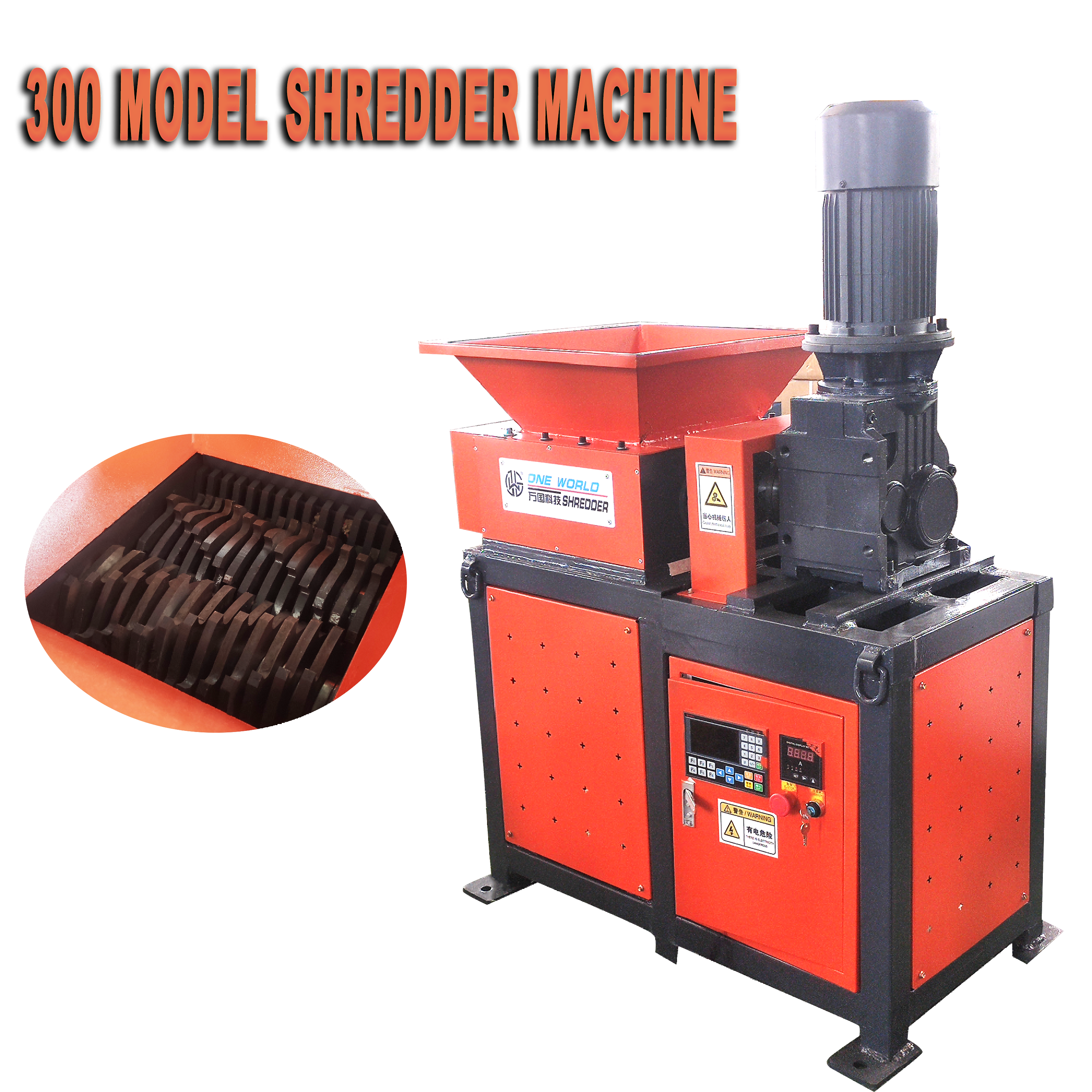
Your facility generates diverse waste streams daily. A workshop shredder handles cross-functional demands effortlessly. It adapts to varying materials without requiring complex reconfigurations.
Machine shops battle endless piles of metal scrap. Processing iron shavings, aluminum turnings, and copper offcuts challenges standard equipment. High torque ensures consistent shearing action. It prevents thermal degradation of the metal during processing. You keep the scrap clean, dense, and ready for profitable recycling. Long, tangled metal turnings become compact, manageable chips. This prevents worker injuries and clears valuable floor space.
Flexible materials cause nightmares for operators. They tangle around high-speed grinders and stall production quickly. Tough plastics, rubber tubes, and synthetic textiles require a different approach. The interlocking dual-shaft design solves this problem elegantly. It pulls and shears sticky or elastic materials efficiently. The low-speed rotation prevents materials from melting onto the blades. You avoid the toxic fumes and clogs associated with high-speed friction.
You can transform the unit into a high-security destruction device. Specific multi-claw blade configurations accomplish this task perfectly. The blades grip and fracture rigid e-waste effectively. They crush hard drives, circuit boards, and sensitive prototypes into shards. They reduce materials beyond any possibility of reassembly. This protects your intellectual property from prying eyes and corporate espionage. On-site destruction guarantees absolute data security. You never have to worry about sensitive files falling into competitor hands. The shredder acts as your ultimate defense against data theft.
Choosing a small dual shaft shredder demands systematic evaluation. Guesswork leads to poor performance and frequent breakdowns. Follow this framework to match equipment capabilities to your reality. This structured approach prevents expensive purchasing mistakes.
Step 1: Define the Material Flow & Target Output
Document your exact input materials meticulously. Note whether they are wet, dry, abrasive, or elastic. Specify your required output size accurately. The target output size dictates the necessary blade thickness and claw count. Different materials behave uniquely under shearing forces. A clear material profile ensures accurate machine sizing.
Step 2: Customize the Cutting Chamber
You must match the blade architecture to the waste stream. Learn how to choose between single, double, or multi-claw blades. Single claws grab bulky items aggressively. Multi-claws bite into flat or rigid materials better. Specifying 10mm to 80mm blade thicknesses is crucial. Base this decision strictly on the density and hardness of your target waste. Proper blade selection maximizes throughput and minimizes wear.
Step 3: Facility Constraints vs. Power Requirements
Balance your available electrical infrastructure against the required torque. Check your voltage and phase availability early in the process. Low-speed torque requires adequate, stable power reserves. Assess detachable box designs carefully before purchasing. They provide easy maintenance access in tight workshop layouts. Confined spaces make routine servicing difficult without modular construction. A detachable box allows technicians to work safely.
Even the best equipment requires proactive management. Anticipating operational risks extends the lifespan of your machine significantly. Proper maintenance safeguards your financial investment over the long term.
High-dust environments destroy standard bearings quickly. Woodshops, drywall processing floors, and fiberglass bays generate extreme particulate matter. Microscopic dust bypasses weak seals and ruins the rolling elements. We highlight the absolute necessity of a 4-layer dust and waterproof sealing system. This specialized barrier keeps contaminants out and holds lubrication inside. It prevents sudden catastrophic bearing failures during heavy production runs.
Operators need realistic expectations regarding material jams. Advanced PLCs handle roughly 95 percent of jams via auto-reversal. However, severe overloads still happen occasionally. Operators must understand manual clearing protocols thoroughly. Training should emphasize emergency stop safety interlocking at all times. Never bypass physical safety switches to clear a stubborn jam quickly. Strict protocols prevent severe operator injuries and machine damage.
Low-speed, high-torque machines wear much slower than high-speed grinders. The gentle rotational speed preserves the cutting edges beautifully. However, highly abrasive materials accelerate wear inevitably. Processing glass, fiberglass, or certain hardened metals requires vigilance. We emphasize the value of modular, easily detachable cutters. They allow technicians to swap blades rapidly. This intelligent design minimizes operational downtime and keeps your line moving.
Inspect blade tolerances weekly to ensure clean, efficient shearing.
Monitor the planetary reducer oil temperature during particularly long shifts.
Test the emergency stop and PLC auto-reversal logic monthly.
Grease the heavy-load self-aligning bearings strictly according to factory schedules.
Clear the cutting chamber completely before shutting down the machine.
A mini industrial shredder is never a compromised piece of equipment. It stands as a highly specialized asset for modern facilities. The machine applies heavy-industry physics to solve small-business spatial and budget constraints. You gain professional-grade volume reduction without building an entirely new processing wing. We see smart operators turning waste liabilities into streamlined processing advantages.
Advise your procurement team to stop guessing on technical specifications. The most critical next step is physical material validation. Gather a 5-gallon sample of your most difficult waste material today. Submit this exact sample to a manufacturer for a comprehensive test shred. They will analyze the results and provide a custom blade recommendation tailored perfectly to your facility. Stop delaying and initiate your test process now.
A: It relies on low-speed, high-torque rotation combined with the inherent self-cleaning design of interlocking blades, which significantly reduces the clogging common in high-speed grinders.
A: Lifespan depends entirely on material abrasiveness and operating hours, but hardened alloy steel blades typically last thousands of hours before requiring hard-facing or replacement.
A: Yes, reputable units feature fully enclosed cutting chambers, physical safety interlocks, and PLC-driven emergency stops to protect operators and prevent catastrophic mechanical failure.


