Views: 0 Author: Site Editor Publish Time: 2026-06-04 Origin: Site


Relying on underpowered equipment for secure record disposal invites immediate operational disaster. Small retail machines often suffer motor burnout during heavy daily usage. This frequent mechanical failure creates severe staff downtime. It also exposes your organization to dangerous data compliance breaches. Transitioning away from consumer-grade units solves these frustrating bottlenecks entirely. You need robust solutions built for continuous operation and verifiable security.
Modern organizations generate massive volumes of sensitive physical data. Standard desktop machines choke quickly under these heavy loads. Processing this material inefficiently creates severe workflow backlogs across departments. Un-shredded documents sit abandoned near the printing station. They leave you vulnerable to strict privacy regulations and audit failures.
This guide provides a transparent framework for your hardware evaluation. We help you match specific shredding architectures directly to your exact business volumes. You will learn how to navigate DIN security levels confidently. We outline critical specifications necessary for selecting reliable commercial or industrial equipment.
Volume dictates hardware: Equipment viability scales from continuous-duty office units (30–60 gallon bins) to industrial systems capable of processing over 4,000 lbs/hour.
Security is standardized: Compliance with HIPAA, FACTA, and GLBA requires specific DIN 66399 security levels (typically P-4 or higher) to render Personally Identifiable Information (PII) unrecoverable.
TCO extends beyond the machine: True costs include preventative maintenance, blade oiling, waste management (baling), and potential operator downtime.
Versatility matters: True commercial units destroy more than paper, handling corrugate, staples, ID badges, and electronic media.
Identifying the primary bottleneck in your workflow remains a crucial first step. Standard equipment fails in highly predictable ways. Frequent thermal shutdowns indicate an overworked motor struggling against capacity. Emptying a tiny plastic bin daily disrupts core staff productivity. Jammed cross-cutters usually point to overloaded sheet capacities. You must recognize these warning signs early to prevent data exposure.
Organizations must constantly choose between in-house processing and outsourced routing. Internal machinery makes total sense for daily, high-volume confidential workflows. It guarantees strict chain-of-custody control over highly sensitive information. Conversely, utilizing local mobile services fits distinctly different operational patterns. Drop-off networks work exceptionally well for periodic purges. End-of-year cleanouts yielding ten or more boxes often justify outsourced collection methods. Routine daily demands, however, require reliable internal hardware.
Volume benchmarks dictate your required equipment category. Do not confuse standard sheet-capacity ratings. Small desktop units handle 10 to 750 sheets per pass. Heavy-duty workflows require actual industrial throughput ratings instead. We measure these heavy capabilities in tons or pounds per hour. Achieving efficient bulk paper destruction demands hardware matched directly to your actual refuse weight.
What to watch out for: Never purchase a machine based purely on the maximum sheet capacity rating. Manufacturers test these peak numbers using lightweight paper under ideal laboratory conditions. Real-world daily throughput is always lower.
Security Levels globally follow the strict DIN 66399 standard. You must map your business needs to these specific shred sizes. General internal documents require basic P-2 or P-3 protection. These levels utilize simple strip-cut or basic cross-cut mechanisms. Financial, medical, and HR records demand significantly higher security. P-4 or P-5 levels produce tiny micro-cut particles. We highly recommend these advanced levels for complete regulatory compliance.
Motor ratings dictate overall operational efficiency during peak hours. Continuous duty motors represent a massive workflow upgrade. They completely eliminate the mandatory cool-down periods found in standard retail models. You can process heavy document stacks for hours uninterrupted. An effective office document shredder depends entirely on this continuous run capability to prevent staff frustration.
Workflow efficiency involves multiple hardware features working together. Consider the following structural elements during your evaluation phase:
Auto-feed functionality allows completely unattended batch processing.
Large bin capacity (30 to 60+ gallons) dramatically minimizes janitorial intervention.
Low decibel (dB) ratings mitigate disruptive background noise in open-plan workspaces.
Here is a summary chart mapping common security needs to DIN standards:
DIN Level | Cut Mechanism Type | Best Real-World Use Case |
|---|---|---|
P-2 | Strip-Cut | Non-sensitive internal company notes |
P-3 | Basic Cross-Cut | General business correspondence |
P-4 | Micro-Cut | PII, bank statements, client tax data |
P-5 | High-Security Micro-Cut | Strict medical records, classified files |
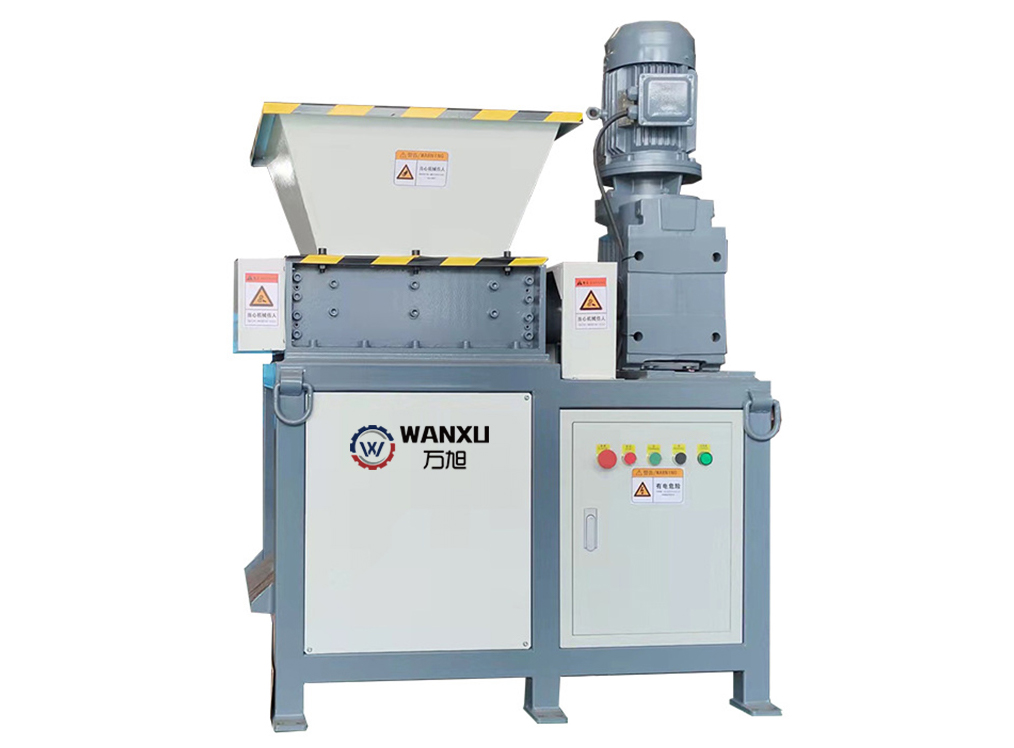
High-torque shear shredding transforms the entire destruction process. Top manufacturers discard weak plastic gears and lightweight blades entirely. Instead, they install thick solid steel cutting shafts. These components deliver maximum durability under immense operational pressure. A true commercial paper shredder easily survives years of heavy daily abuse.
Material versatility removes frustrating manual preparation steps. You no longer need to sort materials painstakingly by hand. Heavy-duty machines handle non-paper constraints effortlessly. They chew directly through staples, paperclips, and heavy cardstock folders. Many advanced models accommodate CD and electronic media destruction simultaneously. This flexibility saves massive amounts of valuable staff time.
Operational resilience keeps the business workflow moving steadily. Auto-reverse mechanisms act instantly for active jam prevention. If overloaded, the machine clears itself automatically by reversing the feed. Some units even offer dual-mode operation toggles. Operators can switch between high-speed volume reduction and high-security micro-cut modes on the fly. This adaptability suits highly dynamic business environments perfectly.
Sustainability integration matters deeply for modern facility management. Commercial units perform corrugate size reduction very efficiently. They tear down thick cardboard shipping boxes into manageable flat strips. This process directly supports local municipal recycling initiatives. It reduces the overall footprint of your facility waste significantly.
Common Mistake: Organizations often run standard retail units to destroy thick cardboard. This practice strips the internal plastic gears instantly. Always verify manufacturer guidelines regarding corrugate approval.
Capacity thresholds shift drastically in true industrial environments. We immediately enter the 4,000 to 5,000+ lbs/hour processing tier. These massive systems serve large central repositories effectively. Manufacturing plants and dedicated record management facilities rely heavily on them. They process massive pallets of sensitive material seamlessly.
Automated feeding architectures become strictly necessary here. Operators cannot manually feed thousands of pounds by hand safely. Conveyor belt systems step in to maintain fast, high-speed input. They prevent repetitive manual strain and protect worker safety. Facilities load the massive intake hoppers using forklifts or mechanical tippers.
Output management requires integrated physical hardware additions. High-volume systems utilize heavy baler attachments. These components compress shredded waste into dense, manageable geometric blocks. This compression significantly reduces outbound transport volume. It also standardizes your downstream recycling logistics for faster collection.
Procurement departments must prepare for heavy infrastructure changes. Entry-level high-security industrial models demand specific robust facility requirements. They almost always require dedicated three-phase electrical power lines. Physical footprints scale up massively based on throughput and automation features. Planning involves assessing loading dock access and maintaining strict heavy equipment clearances.
Aligning with federal data mandates remains entirely non-negotiable. Specific hardware choices directly satisfy irretrievability requirements set by lawmakers. Healthcare organizations must comply flawlessly with HIPAA. Financial institutions follow strict GLBA rules for client privacy. Consumer credit data falls under heavy FACTA protections. Choosing a certified document shredder ensures destroyed materials remain permanently unrecoverable.
Chain of custody protocols define your ultimate audit readiness. In-house destruction offers a distinct, immediate audit advantage. You achieve risk mitigation instantly without external transit delays. Alternatively, third-party NAID AAA certified vendors take the material offsite. They provide verifiable Certificates of Destruction after the job concludes. They also use detailed waste transport manifests to document the entire journey.
Safety and environmental controls protect your active workforce. Heavy-duty destruction environments generate hazardous airborne particulates constantly. Implementation of specialized dust mitigation systems is critical. These high-power vacuums capture microscopic paper dust before it spreads outward. Facilities also integrate emergency stop protocols everywhere. Perimeter safety sensors and quick-kill switches prevent severe industrial accidents.
Forecasting operational requirements extends far beyond initial machine capacities. You must carefully plan for necessary upkeep and mechanical consumables. Standard paper shredder units require automated oiling systems to function smoothly. Heavy facilities must forecast usage rates for replacement steel cutting heads. Specialized high-capacity waste bags must always remain well-stocked.
Service Level Agreements (SLAs) guarantee long-term operational reliability. Evaluate manufacturer warranties carefully before proceeding with installation. Investigate the regional availability of specialized OEM parts. You should secure rapid on-site preventative maintenance contracts. Routine expert inspections prevent catastrophic gear failures.
Proceed strategically by following these concrete next-step actions:
Audit your current weekly paper volume explicitly in pounds or standard banker boxes.
Determine the highest necessary legal security tier (P-level) required for your specific sector.
Assess your facility's physical space constraints, including precise power requirements and noise tolerance.
Accurate baseline measurements eliminate procurement guesswork entirely. They ensure you secure machinery perfectly matched to your reality.
Choosing the correct disposal architecture involves navigating a complex decision matrix. You must perfectly balance immediate legal compliance against daily operational throughput. Long-term maintenance realities also deeply dictate your final operational success. Deploying standardized machines prevents disastrous sensitive data leaks.
Prioritize robust motor duty-cycle and P-level specifications over basic cosmetic features. You need relentless continuous operation capabilities above all else. Weigh your expected in-house volume against available facility space honestly. Taking exact workflow measurements today ensures absolute document security tomorrow. Secure your data pipeline properly by investing in appropriately sized heavy-duty hardware.
A: Commercial units feature robust standalone cabinets suited for large offices. They handle hundreds of sheets per pass manually. Industrial models use massive open architectures like conveyor belts and balers. We measure industrial throughput in tons per hour rather than simple sheet counts.
A: Regulatory bodies consider DIN 66399 P-4 micro-cut security as the strict industry standard. This level cuts paper into tiny cross-sections. It renders Personally Identifiable Information (PII) entirely unrecoverable. Highly sensitive medical environments sometimes escalate naturally to P-5.
A: Industrial machines provide massive daily processing capacities. Entry-level industrial models destroy roughly 1,000 lbs/hr effortlessly. Top-tier central repository systems process over 5,000+ lbs/hr. These precise benchmarks vary based on material density and automated conveyor feeds.
A: Some high-torque models successfully handle optical media, CDs, and plastic badges. However, standard commercial units cannot destroy solid-state or platter hard drives safely. Those dense electronic components require dedicated digital media destroyers or heavily engineered dual-purpose industrial machines.


