Views: 0 Author: Site Editor Publish Time: 2026-06-04 Origin: Site


Processing end-of-life home appliances requires moving beyond basic volume reduction. Facilities must manage complex material streams safely. They also process highly hazardous components daily. This operational shift demands specialized mechanical approaches rather than generic destruction methods. Facility operators face mounting pressure today from global regulatory bodies. They must strictly comply to environmental directives. Operators simultaneously maximize the recovery purity of key materials. Extracting clean ferrous metals, aluminum, copper, and plastics directly determines operational success.
Selecting proper equipment dictates your recycling profitability. We will explore high-torque machine capabilities closely. You must understand integrated sorting efficiency to maximize yields. We also evaluate specialized gas-capture systems for hazardous processing. You will learn how to build compliant operations. These targeted strategies help you scale processing volumes safely. Equipment decisions ultimately separate profitable facilities from struggling ones.
Appliance recycling demands specialized shredding systems; generic shredders suffer rapid wear and pose safety risks when processing compressors and motors.
A dedicated refrigerator shredder must include sealed, nitrogen-purged chambers and extraction protocols for safe CFC/Freon and polyurethane (PU) foam processing.
Washing machine and bulky white goods processing prioritizes high-torque, low-speed (HTLS) shearing to handle heavy-gauge steel without frequent knife failure.
Evaluating a white goods shredder requires balancing throughput capacities, blade replacement costs, and output sorting purity.
Mixed e-waste and large household units present a highly abrasive feed stream. Operators rarely receive clean, uniform materials. A single batch might contain hardened plastics, thin steel sheets, and heavy copper windings. Unsorted processing leads directly to catastrophic machine jams. Premature blade degradation occurs frequently when equipment mismatched materials. Contaminated end-products ruin your final profit margins completely.
Successful appliance recycling requires understanding the hazard versus value matrix. The dual challenge involves capturing high-value commodities while simultaneously neutralizing severe hazards. We must secure valuable copper and aluminum efficiently. At the same time, operators must safely handle refrigerants, capacitors, and hidden batteries.
Compressors & Motors: These yield valuable copper windings and cast iron. However, they pose high risks of residual oils and mechanical jamming.
Printed Circuit Boards (PCBs): These offer trace precious metals like gold and silver. Conversely, they generate toxic dust during improper mechanical reduction.
Cooling Systems: These provide highly recyclable aluminum and copper tubes. Dangerously, they contain volatile CFCs, Freon, or cyclopentane gas.
Processing frameworks must align strictly against WEEE standards. The Waste Electrical and Electronic Equipment directive mandates strict material separation. Environmental protection measures remain non-negotiable for modern facilities. Proper equipment helps you extract toxic components before general shredding begins. You avoid cross-contamination across your valuable plastic and metal fractions. Compliance protects your facility from severe regulatory fines. It also opens doors to certified downstream buyers.
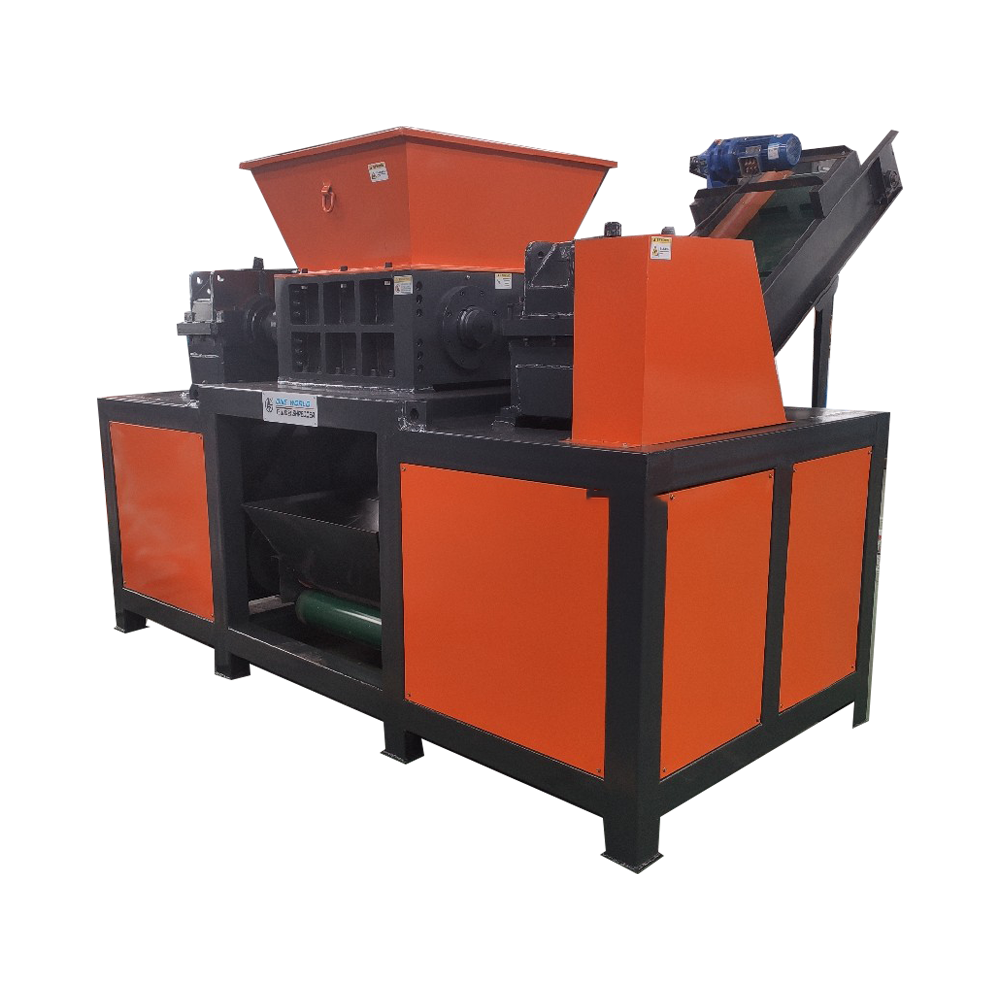
Refrigerators introduce severe technical challenges during destruction. Older units contain harmful CFCs and Freon gases. Newer models utilize volatile cyclopentane as a blowing agent. Manufacturers trap this gas inside dense polyurethane (PU) foam insulation. Crushing the foam releases these gases instantly. These elements create severe explosion risks immediately. Shredding them in open air invites operational disaster.
A specialized refrigerator shredder mitigates these threats completely. These advanced systems rely on sophisticated safe-processing architecture. They ensure safe extraction before the shredding cycle ends.
Inert gas systems form the primary defense mechanism. Facilities utilize nitrogen injection systems actively. The nitrogen displaces oxygen inside the sealed cutting chamber. This inert environment lowers the Lower Explosive Limit (LEL). It prevents spark ignition completely during metal-on-metal shearing.
Gas and dust capture systems run continuously alongside the shredder. Integrated vacuum processes extract harmful refrigerants effectively. Filtration units trap the expelled gases safely. They also capture and pelletize the loose PU foam dust. This prevents harmful microplastics from entering your facility air.
Operators expect pristine material separation post-shredding. The system delivers clean ferrous casings ready for foundries. You recover valuable aluminum coils seamlessly. Shredded plastics emerge completely free of hazardous foam. These clean plastic flakes move directly toward downstream granulation. High purity outputs guarantee premium commodity pricing in global markets.
Washing machines, dryers, and ovens present brute-force mechanical challenges. Their material profile differs vastly from cooling appliances. They contain heavy-duty steel drums requiring massive shearing force. Concrete counterweights sit inside many front-loading models. Robust electric motors add extreme density to the feed stream.
A dedicated washing machine shredder tackles these harsh elements directly. Standard equipment fails repeatedly under these conditions.
High-speed granulators fail rapidly when processing bulky steel. Their fast-spinning rotors shatter upon impacting concrete or solid motors. High-Torque, Low-Speed (HTLS) shearing dominates this space entirely. HTLS machines grab, pierce, and tear heavy steel casings apart. They operate at low RPMs to maximize biting force. They bypass catastrophic rotor damage easily. If accidental ingestion of oversized material occurs, smart sensors trigger auto-reverse functions. This protects the shafts from bending permanently.
Wear resistance dictates your daily maintenance schedule heavily. Rotor design and knife metallurgy matter deeply. Hard-faced knives endure massive impact forces repeatedly. Individually replaceable knives reduce maintenance downtime significantly. You only replace damaged teeth rather than entire shafts. Highly abrasive white goods require resilient engineering.
Rotor Design Evaluation Parameters | ||
Component Profile | High-Speed Granulator Impact | HTLS Shredder Performance |
|---|---|---|
Concrete Counterweights | Catastrophic blade shattering | Auto-reverses; minimizes damage |
Heavy Steel Drums | Rapid dulling, frequent jams | Tears and shears easily |
Solid Electric Motors | Shaft bending, motor burnout | Crushes housings securely |
Best practices require manual pre-dismantling always. Workers should remove concrete blocks before mechanical shredding begins. Extracting large electric motors manually preserves your cutting chamber lifespan.
A standalone appliance shredder only solves volume reduction. It breaks large items into manageable pieces. Profitability relies entirely upon the subsequent sorting loop. We must treat primary shredding as just phase one. Unsorted shredded mixed materials hold very little market value.
Building a closed-loop system requires sequential separation technologies. Each step targets a specific material density or conductivity.
Magnetic Overband Separators: They extract ferrous metals immediately post-shredding. Powerful electromagnets lift iron and steel fragments away. This crucial step protects downstream conveyor belts from sharp metal tears.
Eddy Current Separators (ECS): These repel and capture non-ferrous metals dynamically. High-speed magnetic rotors create alternating fields. These fields induce eddy currents inside aluminum and copper pieces. The resulting magnetic force physically repels the metals. You recover valuable non-ferrous materials away from the inert plastics stream easily.
Air Classification: This removes light fractions effectively. Zig-zag classifiers use targeted air streams to pull away low-density materials. It removes stray foam, dust, and adhesive labels. You receive a highly purified heavy shred stream ultimately.
Smart home devices bring new IT challenges into standard recycling. Modern appliances carry sensitive user network data. Verifying particle size reduction remains critical for IT-embedded hardware. You must meet regional data destruction standards strictly. Do this before final material sorting occurs. The initial shredding pass must destroy logic boards completely. This guarantees absolute data security for your corporate clients.
Selecting appropriate equipment demands strict technical evaluation. Operators often underestimate their actual processing requirements. Matching machine capacity against facility space matters immensely. Throughput targets must align properly.
Measure machine capacity in tons per hour carefully. Check your downstream sorting bandwidth before purchasing. Avoid over-specifying the machine unnecessarily. An oversized primary unit wastes capital if sorting lines bottleneck frequently. Conveyor belt widths must match the shredder output perfectly. Material surges will overwhelm narrow sorting belts instantly.
Throughput vs Footprint Comparison Chart | |||
Machine Class | Average Throughput (TPH) | Required Footprint Space | Ideal Material Application |
|---|---|---|---|
Light Dual-Shaft | 1 - 3 Tons | Minimal (Standalone) | Small appliances, mixed e-waste |
Heavy HTLS System | 5 - 10 Tons | Moderate (Inline) | Washers, dryers, heavy stoves |
Sealed Nitrogen Line | 3 - 8 Tons | Large (Multi-stage) | Hazardous refrigerators, freezers |
A proper white goods shredder requires smart maintenance planning. Operating expenses drive your long-term success. Ease of access to the cutting chamber remains crucial. Mechanics need safe, quick entry points. Screen changeover times dictate your daily downtime heavily. Slow screen changes paralyze facility output. Evaluate the cost and availability of replacement blades closely. Wear plates need frequent inspection and timely replacement.
Assessing vendor capabilities protects your heavy investment. Manufacturers should design custom hoppers easily. Custom hoppers prevent material bridging during feeding. Vendors must integrate feed conveyors seamlessly. Always demand verifiable material testing before final purchase. Send them your most difficult white goods. Validate their expected wear rates and true throughput limits personally.
Profitable appliance recycling hinges on matching mechanical design precisely. You must align the shredder to specific material streams. Operators must navigate the gas-extraction complexities of refrigerators safely. You also need brute-force engineering for washing machines. No single generic machine solves every appliance challenge efficiently. Specialized processing lines protect your workforce and increase output purity simultaneously.
Operators should conduct a primary material audit today. Define your exact required output particle size clearly. Request localized material testing from equipment manufacturers immediately. This action validates expected wear rates securely. It also confirms true throughput limits before you deploy capital. Taking these deliberate steps ensures a highly efficient, compliant recycling operation.
A: A refrigerator shredder features a completely sealed system. It comes equipped with active nitrogen injection and gas recovery units. These additions safely process explosive insulating foams and volatile CFCs. Conversely, standard e-waste shredders operate entirely in open air and cannot handle pressurized hazards safely.
A: Primary twin-shaft shredders offer immense versatility. However, specific items like refrigerators require dedicated hazardous processing lines. Facilities often deploy a primary heavy-duty shredder for general white goods. They then selectively route specific hazardous appliances toward specialized secondary systems to maintain safety compliance.
A: Best practices strictly require manual pre-dismantling. Operators must remove concrete blocks and large electric motors before mechanical shredding. If accidental ingestion occurs, shredders must feature auto-reverse overload protection. This critical software protocol prevents shaft bending or total motor burnout.
A: Expect regular scheduled costs for knife hard-facing or total replacement. Screen wear, conveyor belt maintenance, and hydraulic fluid servicing remain constant. Hardened alloy materials increase your upfront capital expenditure. However, they significantly lower your long-term operating expenses by reducing blade failure rates.


