Views: 0 Author: Site Editor Publish Time: 2026-06-03 Origin: Site


Outsourcing Regulated Medical Waste (RMW) disposal creates escalating financial burdens for modern healthcare facilities. Relying on third-party haulers introduces unpredictable legal and environmental liability risks into daily clinical operations. Transitioning to on-site medical waste processing demands highly specialized machinery. You need equipment balancing heavy-duty volume reduction capabilities alongside strict infection control parameters. Facility leaders must carefully evaluate machinery options before overhauling their existing disposal systems.
This comprehensive guide provides a strictly objective framework for evaluating, specifying, and implementing specialized equipment. Procurement teams, facility directors, and clinical operations managers will discover actionable strategies. You will learn how to select the right machinery for your specific operational layout. We also cover compliance navigation, optimal workflow configurations, and long-term disposal success metrics. Ultimately, making an informed choice protects both your operating budget and your clinical staff.
Integrating a medical waste shredder directly impacts both environmental compliance and bottom-line hauling costs by reducing waste volume by up to 80%.
The decision between pre-shredding (before sterilization) and post-shredding dictates the required safety enclosures and bio-seal technologies.
Procurement evaluation must prioritize cutter geometry, anti-jamming torque, and cross-contamination prevention over baseline throughput metrics.
Implementation success relies on accurate facility footprint planning, utility availability, and localized environmental compliance mapping.
Every hospital administrator faces rising operational expenditures. Waste hauling fees represent a significant, recurring financial drain. A high-quality medical waste shredder shifts this financial model entirely. Facilities move away from perpetual "per-pound" hauling contracts. Instead, they adopt a predictable capital expenditure (CapEx) model. Ongoing operational expenses (OpEx) become manageable and transparent. Administrators can forecast budgets more accurately. In-house processing eliminates unexpected fuel surcharges. It also shields facilities from sudden vendor price hikes.
Processing infectious waste on-site minimizes your legal exposure. Transporting biohazardous materials across public highways carries inherent risks. Transportation accidents can result in severe environmental contamination. Hospitals often retain liability for their waste until its final destruction. On-site processing effectively breaks this chain of custody risk. You destroy the materials before they ever leave your loading dock. This proactive approach protects hospital reputation and prevents costly legal settlements. Experts across the healthcare sector agree minimizing off-site transport represents a primary risk mitigation strategy.
Physical volume dictates disposal economics. Bulky clinical waste takes up massive storage space. Syringes, rigid plastics, and contaminated textiles fill bins rapidly. Shredding transforms these bulky items into unrecognizable confetti. This process drastically reduces the physical footprint. Facilities often see volume reductions exceeding 80 percent. Condensed waste requires fewer collection bins. It demands fewer weekly pickups. Furthermore, thorough shredding alters disposal classification requirements. Once sterilized and shredded, many jurisdictions allow you to send this material directly to standard municipal landfills.
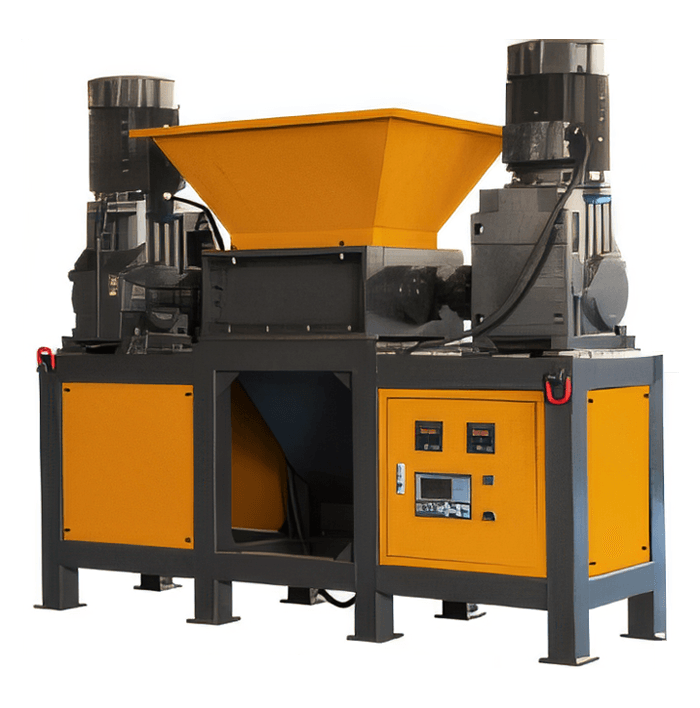
Facility managers must choose the right processing sequence. Your chosen workflow dictates equipment specifications. It also impacts overall facility safety protocols. You must decide whether to shred materials before or after the sterilization phase.
Pre-shredding happens before the sterilization process begins. This mechanism fundamentally increases the surface area of the waste. High surface area maximizes the effectiveness of downstream steam autoclaving. It also improves microwave sterilization penetration. Steam must contact every pathogen directly. Intact sealed bags or closed containers block this vital steam penetration. Pre-shredding eliminates these physical barriers completely.
However, pre-shredding carries a distinct risk factor. You are mechanically destroying active pathogens. This action can release dangerous bio-aerosols into the air. Therefore, this setup requires specialized negative-pressure enclosures. Facilities must install dedicated HEPA filtration systems. You also need rigorous bio-seals around moving parts. These protective layers prevent pathogen aerosolization and protect operators.
Post-shredding occurs after you sterilize the materials. This mechanism processes already-decontaminated waste. The primary goal here is simple volume reduction. You shred the material to render it "unrecognizable." Landfills mandate this condition for standard municipal disposal. Evaluating post-shredding reveals distinct financial advantages. It typically requires lower upfront costs for the shredding unit itself. You do not need extreme bio-containment features on the machine. However, post-shredding limits the efficiency of your upstream sterilization equipment. Autoclaves hold fewer intact bags compared to compacted, pre-shredded material.
Use the matrix below to guide your workflow selection. Evaluate your existing sterilizer capacity carefully. Assess your facility layout and check local environmental regulations.
Operational Factor | Pre-Shredding Workflow | Post-Shredding Workflow |
|---|---|---|
Sterilization Efficiency | Excellent. High surface area improves steam penetration. | Lower. Intact bags block full steam distribution. |
Equipment Cost | Higher. Requires HEPA filtration and negative pressure enclosures. | Lower. Basic physical enclosures suffice for sterile waste. |
Operator Risk Level | High. Encounters live pathogens. Requires strict containment. | Low. Handles safe, pre-sterilized materials. |
Best Practice Scenario | Facilities processing high volumes of sealed sharps and rigid plastics. | Facilities with excess autoclave capacity and limited capital budgets. |
Procuring the right machine requires strict technical scrutiny. Baseline throughput metrics only tell a partial story. You must dig into mechanical engineering details. Prioritize durability, power delivery, and specialized sealing technology.
Assess cutter geometry and material composition carefully. The debate between dual-shaft and single-shaft designs is critical. A robust hospital waste shredder often utilizes a dual-shaft architecture. Dual-shaft models excel at grabbing and tearing variable clinical waste. They easily consume heavy plastics, durable textiles, and thick tubing. You will occasionally encounter rogue items like titanium implants. Single-shaft machines may struggle or stall against these dense objects.
Hardened alloy steel cutters remain absolutely essential. Cheap blades wear down quickly against glass and metal sharps. High-quality alloy steel minimizes expensive downtime. It greatly reduces your long-term maintenance expenses. A common mistake facilities make involves buying general-purpose industrial blades. These inferior blades fracture when processing surgical steel instruments.
Power delivery mechanisms determine operational reliability. High-torque, low-speed shredding remains non-negotiable. You cannot process medical plastics safely at high RPMs. High-speed rotation generates excessive friction and heat. This heat melts plastics, causing severe mechanical jams. Low-speed processing prevents material kickback. It protects operators from flying debris.
Auto-reversing mechanisms are another mandatory feature. When the machine encounters completely unshreddable materials, it must react automatically. The system should stop, reverse the shafts to clear the jam, and then resume normal operation. This automated response prevents motor burnout.
Bio-sealing prevents catastrophic internal damage. Clinical waste often contains significant liquid volumes. Blood, saline, and chemical residues pool inside the cutting chamber. You must evaluate the machine's leak prevention technology. Define the technical requirements for bearing protection closely. We recommend multi-tier labyrinth seals. These complex seals create a winding physical barrier. They ensure corrosive liquid medical waste never penetrates vital mechanical components. Failed bearings lead to immediate machine failure and biohazard cleanup emergencies.
Integrating heavy machinery into a clinical environment requires strict regulatory alignment. You cannot treat an infectious waste shredder like standard industrial equipment. Infection control practices must govern every operational step.
Evaluate equipment based on CDC and EPA guidelines. These agencies set rigid standards for handling RMW. Frame your equipment evaluation around these specific benchmarks. Does the machine support standard infection control practices? Operators must remain safe during loading and unloading procedures. Your compliance team should review the machine specifications to ensure they meet federal safety parameters.
Pathogen containment dictates physical machine design. You must evaluate the necessity of integrated hopper lids. Open hoppers allow dust and aerosols to escape into the breathing zone. Enclosed conveyors prevent spillage during waste transfer between the shredder and the sterilizer.
Automated wash-down systems offer immense value here. They clean the cutting chamber using built-in high-pressure nozzles. They do not require manual human intervention. This automated cleaning drastically reduces employee exposure risks. Best practices dictate running these automated cycles at the end of every single shift.
Landfills will not accept medical materials resembling their original form. Regulators require strict validation of an "unrecognizable" state. Regional regulatory requirements dictate specific measurement parameters. You must prove the clinical waste machine reduces materials to a specific millimeter size. A simple cut is not enough. The waste must look like generic confetti. Syringes cannot look like syringes. Ask vendors for particle size guarantees before finalizing purchases.
Compliance Feature Checklist Chart:
Regulatory Requirement | Recommended Machine Feature | Compliance Benefit |
|---|---|---|
Aerosol Containment | Negative pressure hopper with HEPA filter | Prevents airborne pathogen transmission. |
Liquid Containment | Multi-tier labyrinth bearing seals | Stops bio-liquids from leaking into the facility. |
Physical Size Reduction | Sizing screens (e.g., 20mm grid) | Guarantees unrecognizable landfill status. |
Sanitation Standards | Integrated CIP (Clean-in-Place) system | Ensures standardized daily decontamination. |
A successful purchase means nothing if you cannot install the machine properly. Real-world implementation presents distinct engineering challenges. Facility planners must coordinate space, power, and personnel effectively.
Address the physical realities of your building layout. Medical shredders are exceptionally heavy machines. You must verify floor loading capacities beforehand. Second-story installations often require structural reinforcements. Noise levels also pose a significant concern. You must check the equipment's decibel ratings carefully. Indoor clinical environments cannot tolerate disruptive industrial noise. Vibration dampening mounts help mitigate this issue.
Furthermore, review your ventilation requirements closely. The room must exchange air frequently to maintain safety standards. A clinical waste machine needs dedicated exhaust routing to push heat and filtered air outside.
Outline power requirements and utility assumptions early in the planning phase. Heavy-duty shredding demands robust electrical infrastructure. These machines typically require dedicated 3-phase electrical connections. Standard wall outlets will not suffice. Automated disinfection cycles require additional plumbing work. You may need direct water line connections capable of delivering specific pressures. Floor drains become necessary for managing wash-down runoff. Verify your existing utilities can support these demands.
Discuss the realistic maintenance schedules required for continuous operation. Machine ownership extends beyond the initial purchase price. Blades require periodic sharpening schedules. Screens need regular replacements to maintain consistent particle sizes. Budget for these recurring operational necessities properly.
Certified operator training is mandatory. Untrained staff will jam the machine or bypass safety protocols. Proper training maintains your equipment warranty. It also ensures ongoing environmental compliance. Mandate hands-on training sessions for all shifts operating the equipment.
Buying a medical waste shredder represents a massive operational transformation. It is far more than just a simple equipment purchase. Success requires strategic alignment across clinical, facilities, and financial departments. Follow these next steps to secure the best system:
Require vendors to perform proof-of-concept testing using your facility-specific waste streams.
Prioritize manufacturers offering rapid local maintenance support and readily available replacement parts.
Demand transparent lifecycle budgeting projections to understand ongoing blade maintenance and utility usage.
Audit your current monthly waste manifests immediately to calculate true volume reduction needs.
Map your spatial constraints and verify floor loading capacities before requesting formal vendor quotes.
Taking these deliberate steps ensures a smooth transition. Your facility will achieve long-term compliance, reduce hauling expenses, and safeguard staff health.
A: Standard units handle plastics, textiles, and sharps. However, they cannot process hazardous chemicals, radioactive materials, or pharmaceutical compounds. You must also exclude large pressurized containers, such as oxygen tanks or aerosol cans. Processing explosive or highly reactive materials causes catastrophic machine failure and severe safety hazards. These specialized waste streams always require separate, dedicated handling protocols.
A: Standalone shredders only perform mechanical volume reduction. They cut and tear materials but do not kill pathogens. Conversely, integrated shred-and-sterilize systems combine both functions. They feature built-in autoclaves or microwave generators. If you purchase a standalone machine, you must pair it with separate upstream or downstream sterilization equipment to achieve full compliance.
A: Never rely solely on optimal manufacturer specifications. Instead, calculate capacity based on your facility's peak generation hours and actual waste density. Track your heaviest daily loads over a month. Once you determine this peak hourly volume, factor in an additional 20% margin. This buffer accounts for unexpected patient surges and prevents workflow bottlenecks.
A: Routine maintenance involves daily and weekly tasks. Operators must run automated wash-downs daily to prevent bio-residue buildup. Weekly tasks include visual inspections of seals and cutting chambers. You must schedule periodic cutter block re-torquing to maintain blade alignment. Eventually, dull blades require complete replacement intervals based on your machine's specific operating hours and waste density.


