Views: 0 Author: Site Editor Publish Time: 2026-06-10 Origin: Site


High-volume pharmaceutical waste creates immediate compliance, security, and storage challenges. This waste ranges from expired bulk inventory to manufacturing rejects. Unsecured stockpiles invite risks you simply cannot ignore. Drug diversion crises are escalating nationwide as bad actors target vulnerable inventory. Regulatory scrutiny is also tightening rapidly from both the DEA and EPA. Relying solely on manual destruction or small mail-back envelopes is highly unscalable. It is inefficient for large-volume generators like hospital networks and manufacturing facilities.
Fortunately, automated industrial equipment provides a secure, defensible method to physically destroy medications alongside their packaging. These systems drastically reduce waste volume. They prepare materials for final compliant disposal, such as high-temperature incineration. You will discover how these robust machines align with strict federal standards. We will explore how they optimize your sorting workflow and safeguard your operational integrity.
Physical Destruction: Shredding guarantees the physical destruction of pills, blister packs, and vials, rendering the original packaging unrecognizable and preventing scavenging or drug diversion.
Compliance Alignment: Processing waste through a designated pharma waste machine supports DEA "non-retrievable" standards (21 CFR 1317.90) when integrated with final destruction protocols.
Volume Reduction: High-torque shredding reduces bulk waste volume by up to 80%, lowering transportation and downstream incineration costs.
Safety Integration: Purpose-built shredders feature sealed hoppers and dust extraction to protect operators from aerosolized Active Pharmaceutical Ingredients (APIs).
Unused medications left in intact packaging are highly susceptible to theft. Drug diversion remains a massive liability for healthcare networks and distribution warehouses. Storing unadulterated narcotics or highly sought-after prescriptions in basic bins invites internal and external theft. You must break the physical integrity of the product to remove its street value.
A dedicated drug disposal shredder obliterates not just the medication itself. It destroys the branded packaging, blister packs, and labeling simultaneously. When bad actors cannot identify or easily separate the active ingredient from shattered plastic and cardboard, diversion risks plummet.
Shredding physically destroys the medication form. However, achieving the DEA’s strict "non-retrievable" standard requires careful process design. The DEA defines "non-retrievable" as permanently altering the physical or chemical condition of a substance. Shredding is the vital first step. It renders the original item unrecognizable. You must often pair shredding with a secondary step to achieve full compliance. High-temperature incineration or chemical mixing typically follows the shredding phase depending on the substance classification.
DEA registrants face rigorous reverse distribution audits. Integrating an automated pharmaceutical waste shredder into your Standard Operating Procedures (SOPs) creates a predictable chain of custody. Documented, systematic destruction processes defend your facility against compliance penalties.
Best Practice: Log the exact weight of sealed containers before processing.
Best Practice: Keep video surveillance focused directly on the feeding hopper.
Common Mistake: Failing to retain destruction logs for the DEA-mandated multi-year retention period.
Choosing the right hardware dictates both your compliance level and operational efficiency. You cannot rely on standard paper shredders or lightweight industrial crushers. Pharmaceutical packaging is notoriously dense and varied. You need a purpose-built pharma waste machine to handle complex medical media.
You must evaluate cross-cut versus strip-cut capabilities. Smaller particle sizes ensure thorough destruction of tiny components. Ampoules, individual pills, and micro-vials can sometimes slip through basic strip-cut blades. A cross-cut or dual-shaft system guarantees maximum physical alteration.
Feature | Strip-Cut Shredders | Cross-Cut / Dual-Shaft Shredders |
|---|---|---|
Particle Output | Long, continuous strips. | Small, uniform, unrecognizable pieces. |
Diversion Security | Moderate. Labels might remain partially legible. | High. Complete obliteration of branding and text. |
Best For | Basic cardboard cartons and paper records. | Rigid plastics, glass vials, and loose pills. |
The equipment must handle mixed media without jamming. Daily pharmaceutical waste includes rigid plastics, thick glass vials, cardboard packaging, and adhesive transdermal patches. Patches are particularly problematic. They carry strong adhesives that can gum up inferior blades. Look for machines utilizing auto-reversing torque mechanisms. If a dense batch of foil blister packs causes a slowdown, the machine will automatically reverse and re-feed the material to prevent motor burnout.
Protecting your staff from aerosolized Active Pharmaceutical Ingredients (APIs) is critical. Smashing pills generates toxic dust.
Dust Mitigation: The unit must include HEPA filtration or sealed feeding chambers. This prevents airborne API exposure to staff during operation.
Security Features: Lockable hoppers are mandatory. Restricted access controls ensure loaded medications cannot be retrieved before the shredding cycle is complete.
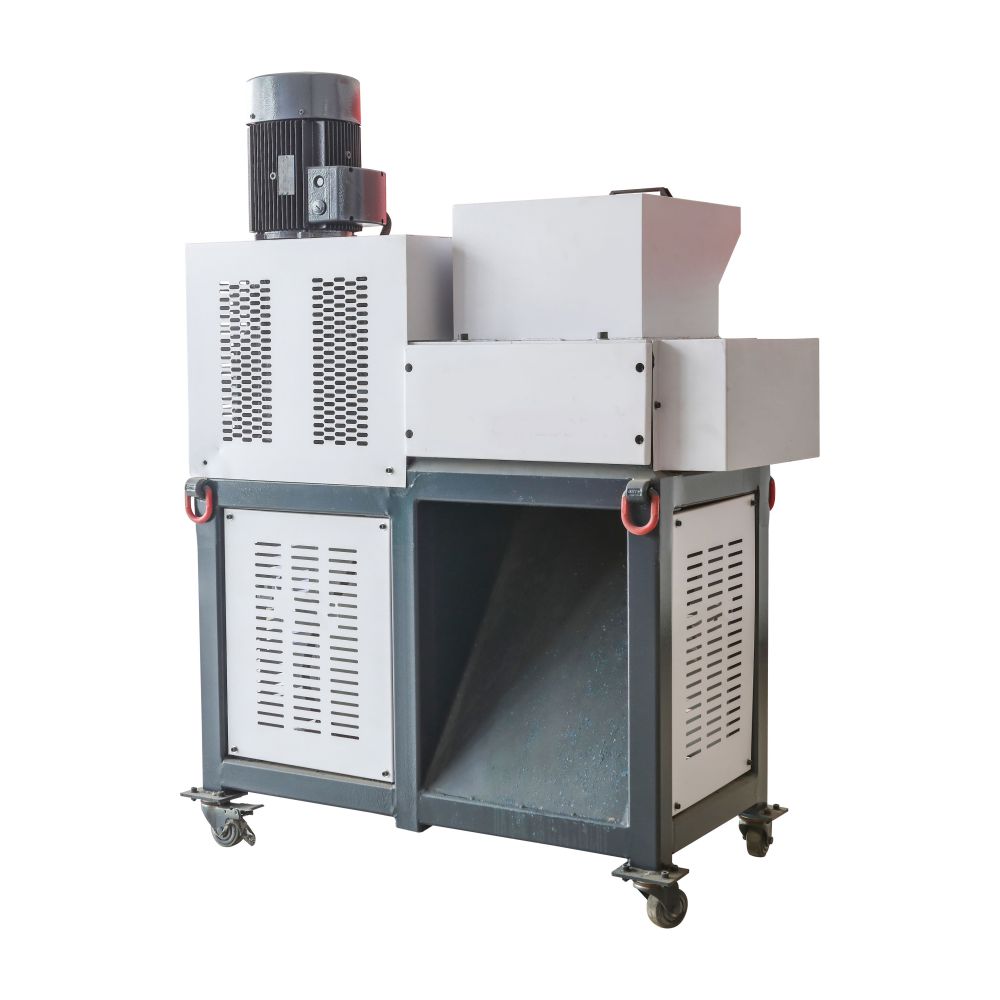
The regulatory landscape governing medical waste is incredibly dense. Facility managers must satisfy dual mandates. The DEA regulates controlled substances to prevent diversion. The EPA regulates chemical disposal to protect water supplies and landfills. An expired medicine shredder bridges these two compliance worlds.
You must understand EPA 40 CFR 266 Subpart P rules. These rules dictate the handling of hazardous waste pharmaceuticals. Shredding alters the physical state of the drug. It does not change the chemical composition. Hazardous waste must still be segregated and handled according to Resource Conservation and Recovery Act (RCRA) guidelines post-shredding. For example, warfarin or lindane residues still require specialized containment, usually in black RCRA containers, even after shredding.
The EPA strictly prohibits the flushing or draining of hazardous pharmaceutical waste by healthcare facilities. Flushing medications pollutes local water systems and violates federal law. Shredding combined with secure solid waste containment is the recognized, compliant alternative.
A shredder is only as compliant as the sorting process preceding it. You must enforce strict upstream segregation.
Identify Biohazards: Biohazardous waste, such as used sharps and needles, must be strictly separated. Processing needles inside a standard pharmaceutical shredder creates extreme contamination risks.
Extract Controlled Substances: Isolate Schedule II-V drugs for specific logging before they enter the machine.
Identify RCRA Hazardous Waste: Pull out specific chemically hazardous medications for dedicated processing.
Process General Pharma Waste: Feed the remaining non-hazardous, non-controlled blister packs and pills into the shredding unit.
Facility managers face multiple options for handling obsolete inventory. Selecting the right method depends entirely on your generation volume and logistical footprint. This framework will help you evaluate compliant drug destruction strategies.
Mail-back programs utilize prepaid, sealable envelopes. You mail the waste to a licensed destruction facility. This method is ideal for retail pharmacies or small clinics managing low-volume inventory. However, it becomes highly inefficient for bulk disposal. Using small envelopes for warehouse-level manufacturing rejects wastes immense labor hours and scales poorly.
Chemical digestion uses liquid solvents or activated carbon inside specialized jugs. Nurses drop pills into the jug, shake it, and the carbon neutralizes the active ingredients. This is excellent for point-of-care disposal at nursing stations. Unfortunately, it requires recurring purchases of chemical solvents. Furthermore, digestion containers cannot process large cardboard boxes or bulk intact blister packs.
Industrial shredding systems represent the only scalable solution for manufacturing rejects and large-scale bulk applications. They easily handle continuous-feed destruction. While they demand a higher initial investment compared to buying plastic mail-back envelopes, they deliver drastically higher operational efficiency for high-volume generators. You bypass the recurring costs of digestion chemicals and eliminate the severe labor bottleneck of unpacking tiny pills manually.
Comparison of Drug Destruction Methods | |||
Method | Best Use Case | Scalability | Media Handling |
|---|---|---|---|
Mail-Back Envelopes | Small clinics, retail pharmacies. | Low. Labor-intensive packing. | Loose pills, very small bottles. |
Chemical Digestion | Hospital wards, point-of-care. | Medium. Requires constant chemical refills. | Loose pills, liquids. No packaging. |
Industrial Shredding | Warehouses, manufacturers, large hospitals. | High. Continuous processing. | Whole bottles, blister packs, cartons. |
Deploying heavy-duty destruction equipment requires careful facility planning. A successful rollout hinges on security placement, hygiene protocols, and strict workflow integration.
You cannot install this equipment in a high-traffic, unsecured hallway. Shredders handling controlled substances must reside in secure, access-controlled rooms. You should install dedicated video surveillance directly above the machine. This maintains unbroken DEA compliance during the entire destruction cycle. Only authorized personnel should possess keycard access to this processing room.
Cross-contamination is a serious operational risk. Shredding different classifications of drugs creates mixed chemical dust. The machine requires strict cleaning SOPs. This is particularly crucial if you alternate between non-hazardous bulk waste and RCRA-hazardous waste. To mitigate this risk, many large facilities deploy dedicated machines for specific waste profiles. If a dedicated machine is impossible, thorough vacuuming and blade wipe-downs must occur between conflicting batches.
Your team needs a clearly defined process map to ensure safe operation. Implement the following sequence:
Segregation: Ensure no biohazardous sharps enter the staging bins.
Weighing and Logging: Record the gross weight of the packaging and medications to satisfy audit trails.
Shredding: Process the materials through the locked hopper, utilizing HEPA dust extraction.
Containment: Capture the shredded output in secure, tamper-proof drums below the cutting chamber.
Hand-off: Transfer the securely locked drums to a licensed disposal service for final high-temperature incineration.
An industrial waste shredder shifts your facility from passive waste accumulation to active, secure destruction. You instantly neutralize the street value of expired medications while drastically reducing your storage footprint. Unrecognizable shredded output removes the temptation for diversion and satisfies rigorous compliance documentation.
Buyers should prioritize machines featuring heavy-duty mixed-media capabilities. Ensure the equipment includes integrated dust mitigation to protect your workforce. Verify your internal sorting SOPs align strictly with DEA and EPA RCRA guidelines before operating the equipment.
Do not leave your compliance to chance. Consult with a specialized waste equipment engineer today to audit your daily volume requirements. They will help you specify the exact cutter torque, footprint, and filtration system necessary to secure your facility.
A: Shredding alters the physical state and destroys packaging, which is a critical step in preventing diversion. However, for controlled substances, the shredded output typically must still be incinerated or chemically neutralized to fully meet the DEA's definition of permanently altering the chemical state.
A: Yes, industrial-grade drug disposal shredders are equipped with hardened steel cutters designed to crush and shred glass, rigid plastics, and foil blister packs without dulling prematurely.
A: Generally, no. High-torque shredders are designed to process whole blister packs, pill bottles, and cardboard cartons, saving labor time and minimizing staff contact with the actual medications. However, biohazardous materials (like used needles) must always be kept out of the pharma shredder.


