Views: 0 Author: Site Editor Publish Time: 2026-06-02 Origin: Site


Processing industrial textiles introduces severe operational hurdles for any facility. Fabric waste is highly elastic, incredibly dense, and notoriously prone to tangling around rotating machinery. Standard reduction methods often fail miserably in these environments. We designed this guide to help facility managers, recycling operators, and compliance officers effectively evaluate and specify the correct industrial equipment. We focus heavily on material volume requirements and desired output specifications.
Selecting the right machinery matters immensely for your operational efficiency. Proper equipment drastically reduces expensive landfill usage. It creates lucrative revenue streams from reclaimed fibers or Process Engineered Fuel (PEF). Furthermore, reliable processing ensures full compliance with increasingly strict Extended Producer Responsibility (EPR) mandates. Read on to discover why standard machines fail and how you can seamlessly integrate purpose-built equipment into your facility.
Standard plastic or wood shredders frequently jam or melt synthetic fibers; dedicated anti-winding rotor geometry is non-negotiable.
Equipment selection depends primarily on the end-goal: secure brand destruction, fiber reclamation (spinning/insulation), or PEF.
Low-speed, high-torque shredding is the industry standard for textiles to minimize dust, prevent heat generation, and cut through dense carpet rolls or layered fabrics.
A standalone shredder is rarely sufficient; pneumatic conveyance and metal detection are critical for continuous, automated operations.
Long fibers behave very differently than rigid plastics or brittle wood. Conventional rotors often grab loose fabrics and wrap them tightly around the cutting shafts. This wrapping effect builds up exponentially over just a few minutes of operation. Eventually, the thick layer of fabric causes severe motor overload. Operators must then halt the entire production line. They spend hours manually cutting tangled fibers off the jammed rotors. A specialized textile shredder solves this by employing anti-winding geometry. The design actively sheds long threads rather than spooling them.
Many facilities mistakenly attempt to use high-speed grinders for soft waste. High-speed blades generate massive amounts of friction inside the cutting chamber. Synthetic fabrics like polyester, nylon, and spandex possess relatively low melting points. When exposed to this rapid friction, the material quickly overheats and melts. The molten plastic then fuses directly to the cutting blades and screens. Once cooled, it forms a rock-hard resin casing. This ruins the entire batch and forces costly maintenance intervention. Purpose-built machines operate at low speeds to keep the cutting chamber cool.
You rarely process individual shirts in an industrial setting. Facilities typically handle compressed bales, heavy carpet rolls, and multi-layered denim scraps. These dense bundles exhibit extreme feed resistance. Gravity-fed hoppers simply cannot pull compressed bales into the cutting zone. The material just bounces on top of the rotors. You need aggressive, controlled feeding mechanisms. Hydraulic pushers or heavy-duty feed rolls forcibly drive the dense bundles into the cutting shafts. This ensures a consistent, uninterrupted throughput.
Common Mistakes in Processing:
Feeding uncut, massive carpet rolls into a gravity hopper.
Using high-RPM plastic granulators for synthetic clothing.
Ignoring the wrapping tendency of uncut continuous thread.
Many operations process post-industrial offcuts for closed-loop recycling. This application demands strict maintenance of specific fiber lengths. Downstream buyers use these reclaimed fibers for spinning new yarn or manufacturing non-woven insulation. You must control the output size precisely. A dedicated fabric shredder equipped with interchangeable sizing screens handles this beautifully. The screens ensure material only exits once it reaches the exact dimensional requirement. Consistent output sizes directly increase the resale value of your reclaimed fibers.
Luxury brands and military organizations require absolute certainty when destroying materials. They use a clothing shredder to irreversibly eliminate counterfeit goods, obsolete uniforms, or prototype apparel. The primary goal here is intellectual property protection. The output must be entirely unidentifiable. No logos, tags, or proprietary patterns can survive the process. Operators usually configure the equipment for a very fine, granular shred. This guarantees bad actors cannot salvage or reconstruct the discarded garments.
Unrecyclable blended fabrics still hold immense value as an alternative energy source. You can transform them into Process Engineered Fuel (PEF). Industrial boilers and cement kilns rely on PEF to replace coal and natural gas. However, the fuel must meet strict dimensional specifications for safe, efficient combustion. If the fabric pieces are too large, they burn unevenly. Equipment configured for PEF production shears blended fabrics into optimized, uniform dimensions. This transforms heavy waste burdens into a profitable, sustainable commodity.
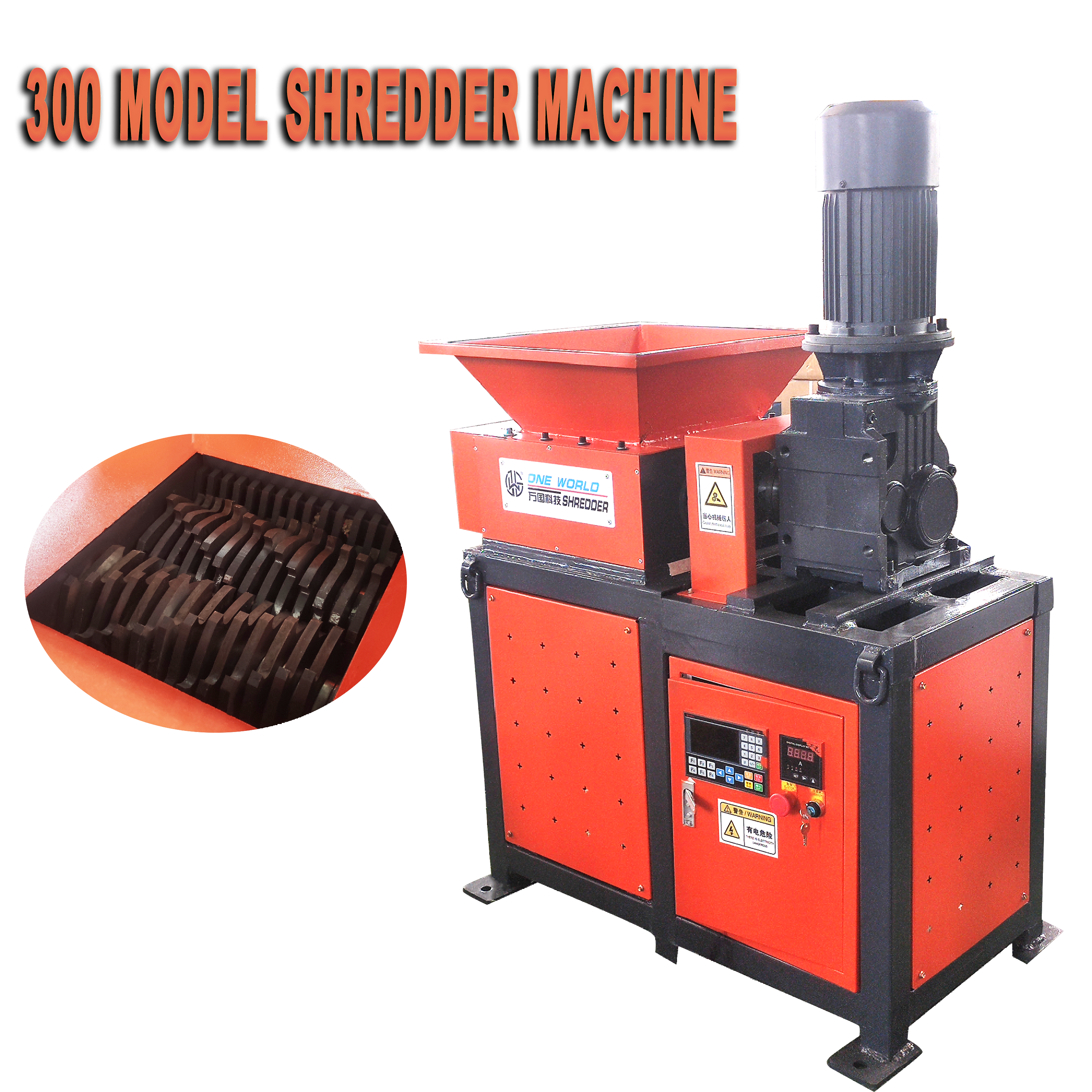
Engineers specifically design industrial cutting chambers to defeat elastic materials. Standard clearances allow thin fabrics to slip between the blades un-cut. To prevent this, reliable machines feature incredibly tight cutting tolerances. The specialized rotor designs shear the fabric cleanly instead of tearing or pulling it. They act like giant, heavy-duty scissors. This precise shearing action prevents loose threads from wrapping around the main drive shaft. Clean cuts also reduce airborne dust in your facility.
Speed is the enemy when processing fibrous materials. Low-speed, high-torque drives represent the absolute industry standard for this application. High torque provides the sheer brute force necessary to slice through dense fabric bundles. It prevents the machine from stalling when it encounters heavy denim or layered canvas. Furthermore, low-speed operation directly correlates to significantly lower noise levels. It also prevents the dangerous heat generation we discussed earlier. Operators enjoy a safer, quieter, and cleaner working environment.
Industrial machinery must protect itself from unexpected contamination. Modern units incorporate intelligent PLC (Programmable Logic Controller) systems. The PLC constantly monitors the load on the drive motor. If the blades encounter an uncrushable object, the motor spikes in amperage. The PLC detects this spike instantly. It then automatically reverses the rotor direction to clear the obstruction. After a few seconds, it resumes forward rotation. This critical machine-protection feature prevents catastrophic shaft damage and motor burnouts.
Garments often conceal highly abrasive hardware. Zippers, heavy metal buttons, and steel grommets constantly impact the cutting blades. Standard steel dulls quickly under these conditions. You must specify heavy-duty wear resistance for your cutting tools. D2 or SKD11 tool steel blades provide exceptional hardness and abrasion resistance. They maintain a sharp cutting edge far longer than generic alloys. Sharp blades ensure clean shearing, consistent output, and lower energy consumption over time.
Single-shaft models excel at producing precise, uniform sizing. They utilize a single rotating shaft fitted with aggressive cutting crowns. A stationary screen sits directly beneath the rotor. The material circulates inside the chamber until it is small enough to pass through the screen holes. Heavy-duty hydraulic pushers play a key role here. The hydraulic rams press dense carpet rolls horizontally against the spinning rotor. This ensures a steady, controlled bite. Single-shaft machines are the preferred choice for closed-loop fiber reclamation.
Dual-shaft and quad-shaft machines serve a different purpose entirely. They dominate high-volume, primary coarse shredding applications. These units feature opposing counter-rotating shafts equipped with interlaced hooked blades. The blades aggressively grab, pull, and rip bulky textiles down through the cutting chamber. They do not rely on sizing screens. Therefore, strict granular sizing is less critical here. They are exceptionally effective for secure brand destruction and rapid volume reduction of massive textile loads.
Equipment Comparison Chart:
Feature | Single-Shaft Machines | Dual/Quad-Shaft Machines |
|---|---|---|
Primary Application | Precise sizing, fiber reclamation, PEF | Coarse reduction, high-volume destruction |
Output Control | Strictly controlled via sizing screens | Variable, dependent on blade width |
Feeding Mechanism | Hydraulic pusher/ram | Self-feeding via opposing shafts |
Best Material Type | Bales, heavy rolls, dense offcuts | Loose apparel, bulky mixed waste |
A standalone machine rarely operates efficiently on its own. You must protect the cutting chamber from severe upstream contamination. Heavy belt buckles, steel zippers, and stray industrial hardware can chip even the hardest steel blades. We strongly recommend installing conveyor-mounted metal detectors before the primary intake. These sensors scan the incoming material stream continuously. If they detect a large metal anomaly, they halt the conveyor belt immediately. Operators can then manually isolate and remove the hardware before it enters the garment waste shredder.
Moving the shredded output presents another unique challenge. Traditional flat-belt conveyors struggle significantly with light, fluffy textiles. Static electricity causes the shredded fibers to cling stubbornly to the rubber belts. This results in massive spillage around the discharge zone. Air-driven pneumatic conveyance systems offer a vastly superior solution. They use powerful suction to vacuum the shredded material directly from the cutting chamber. The closed-pipe system moves the light fibers cleanly and efficiently to the next processing stage.
Some materials are simply too large for a standard feed hopper. Exceptionally thick, tightly wound fabric bolts often require a pre-treatment step. Facility managers frequently deploy guillotine roll shears upstream of the main line. These powerful hydraulic shears slice massive carpet rolls into manageable cross-sections. Once pre-cut, the material flows smoothly into the shredder without bridging or bouncing. Proper pre-treatment drastically increases the overall throughput of your entire processing line.
Scan: Conveyor belt passes through a metal detector.
Pre-cut: Guillotine shears break down oversized rolls.
Shred: Equipment reduces the material to the target size.
Transport: Pneumatic systems vacuum the output away cleanly.
Investing in a purpose-built textile recycling machine comes down to a few critical factors. You must prioritize anti-winding engineering to avoid constant mechanical jams. Standard high-speed plastic grinders will melt your synthetic fibers and destroy your productivity. Always match your desired output size to your specific downstream application. Secure destruction requires different mechanics than PEF production.
We highly recommend establishing a clear understanding of your daily throughput volume first. Determine your exact target piece size before you request equipment quotes. Finally, encourage your prospective manufacturers to prove their claims. Send them representative fabric samples from your facility. Request a comprehensive material trial to validate the proof-of-concept testing before making your final decision.
A: These heavy-duty machines can easily process a wide variety of materials. Typical feedstock includes daily garments, obsolete industrial uniforms, heavy commercial carpets, and smart textiles. They also handle household linens, tightly wound fabric offcuts, and tough automotive fabrics effortlessly.
A: High-quality industrial blades made from D2 or SKD11 steel easily shear small hardware like standard zippers and plastic buttons. However, we highly recommend installing upstream metal detectors. This protects your blades from heavy hardware, preventing chipping and prolonging equipment life.
A: Yes, you can adjust the final output size easily. Single-shaft and quad-shaft models utilize interchangeable sizing screens beneath the cutting rotors. You simply swap out the screen to achieve a different specific granular dimension for your downstream application.
A: Throughput varies greatly depending on the specific model and material density. A realistic baseline ranges from a few hundred kilograms per hour for boutique operations to several tons per hour for large industrial facilities. Tighter screen sizes will naturally reduce maximum hourly capacity.


