Views: 0 Author: Site Editor Publish Time: 2026-06-30 Origin: Site


Managing industrial packaging waste poses massive logistical and financial burdens for modern facilities. Lightweight flexible intermediate bulk containers take up enormous warehouse space. A standard one-ton bag weighs barely two kilograms but consumes significant volume when empty. Processing these highly tear-resistant, moisture-absorbing fabrics requires specialized primary size reduction. Unfortunately, standard shredding machines frequently fail during this crucial step. Flexible PP materials quickly wrap around spinning rotors. This wrapping causes severe equipment jamming and dangerous overheating.
This guide gives operations and recycling facility managers an evidence-based framework. You will learn how to properly evaluate and integrate a reliable woven bag shredder into your processing line. We cover the core mechanical challenges, essential machine components, and system integration strategies. This knowledge ensures you transition waste liabilities into high-grade pelletizing feedstock safely.
Standard volume-reduction equipment often fails on flexible PP materials due to rotor wrapping and pusher jamming; specialized anti-winding geometries are strictly necessary.
Equipment longevity heavily depends on wear protection, as bulk bags are frequently contaminated with abrasive sand, grit, or chemical residues.
Effective bulk bag recycling requires system alignment—your shredder must produce a uniform discharge (typically 40–100mm) to optimize downstream washing and pelletizing lines.
Features like dual counter-rotary feeding and segmented, replaceable blades drastically reduce operational downtime and maintenance costs.
Manufacturing plants face a harsh logistical reality. Used bulk bags consume vast floor space very quickly. Shipping whole bales of flexible packaging costs a fortune. You end up paying transport fees mostly for empty air. By using an integrated FIBC shredder, you slash outbound logistics expenses immediately. Volume reduction shrinks storage needs and cuts transport trips significantly.
Furthermore, you transition a waste liability into a valuable asset. Correct initial size reduction creates high-grade pelletizing feedstock. Downstream extrusion systems require uniform material to function well. High-quality PP flake has substantial market value today. Facilities can sell this processed plastic or reuse it directly. A closed-loop system improves your overall profitability.
Shredding also manages hazard and compliance risks efficiently. Used bags routinely trap hazardous residual materials inside. Agricultural sacks often hold leftover chemical fertilizers or pesticides. Construction bags retain fine silica dust. Primary shredding releases and isolates these dangerous remnants safely. This crucial step minimizes cross-contamination risks across your facility. It protects worker respiratory health during the recycling process.
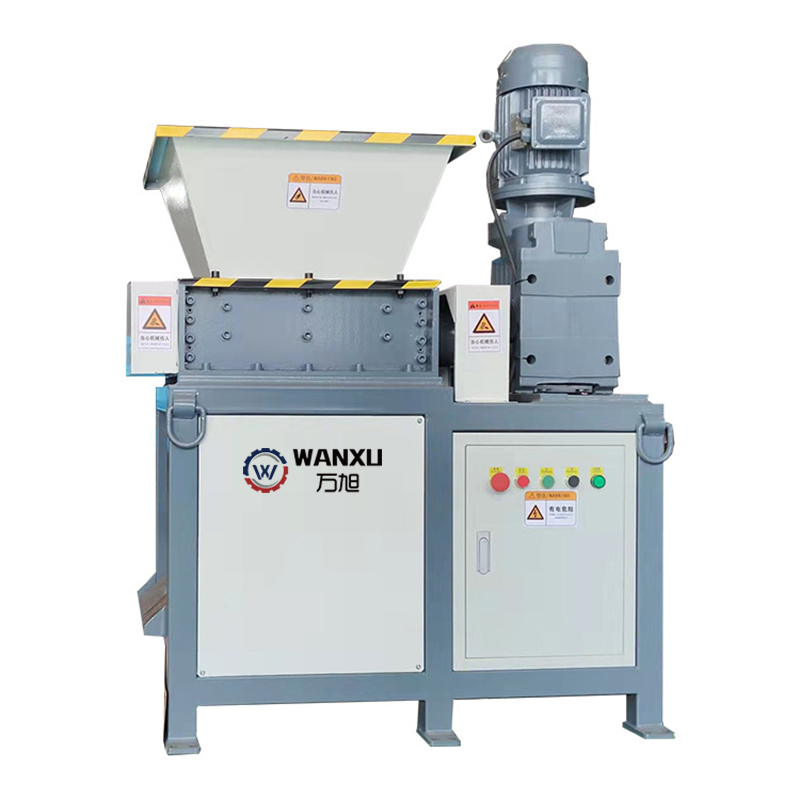
Woven polypropylene inherently resists tearing. It stretches endlessly rather than breaking under blunt force. Standard machines struggle against this extreme material resilience. When blunt blades hit PP fabric, they merely fold the material. They fail to shear the long polymer chains effectively.
Rotor winding remains the ultimate uptime killer in recycling plants. Flexible films and long yarns wrap tightly around standard spinning rotors. They act like tensioned ropes binding the shaft. This wrapping creates extreme friction-induced heat. The plastic often melts directly onto the steel components. It triggers severe motor overloads rapidly. Operators must execute frequent manual clearing stops. Digging melted plastic off a rotor wastes valuable production hours.
Traditional ram and pusher systems create another hidden trap. They struggle to feed highly resilient baled bags effectively. Hydraulic pushers compress the bale against the rotor. Instead of cutting smoothly, the materials bridge, fold, or jam entirely. The pusher mechanism wedges the woven plastic into gaps. This immense pressure stalls the cutting shaft completely.
Abrasive contamination destroys standard equipment incredibly fast. Agricultural and construction bags carry immense volumes of dirt. They contain sand, small stones, and metal scraps. This gritty mixture acts as a continuous grinding paste. It ruins standard hardened steel blades in mere weeks. A specialized jumbo bag shredder effectively solves these specific mechanical failures.
Evaluating a machine requires strict attention to specialized geometries. You cannot rely on generic machine specifications for this material.
You must evaluate specific rotor designs carefully. F-rotors, staggered arrays, and high-density interlocking blades perform best. They provide high-frequency shearing to instantly snap flexible fibers before wrapping occurs. The blade angle matters tremendously. It must aggressively bite the plastic film. Precision stator knives act as structural scrapers. They continuously peel un-shredded material off the main shaft. This continuous scraping prevents the tensioned ropes from forming.
Traditional pushers fail on flexible bales. Compare them against dual counter-rotary feeding or spiral feeding systems. These advanced mechanisms automatically draw bulk bags inward. They eliminate wasteful hydraulic energy draws completely. They remove bridging risks by pulling material down via gravity and mechanical biting. The continuous inward pull ensures consistent throughput without stalling.
Trustworthy components require a strict metallurgical baseline. You need premium alloys to survive daily operations.
D2 Tool Steel: Offers excellent resistance against abrasive wear from sand.
CrMoV Alloys: Provide high toughness to prevent blade chipping.
Titanium Coatings: Extend blade life massively in harsh environments.
Hardened Screens: Must reach up to 20mm in thickness to withstand heavy foreign objects.
Heavy-duty rotor hard-facing remains essential. Weld overlays protect the base rotor structure from gradual erosion. Square, 4-way replaceable blades offer great economy. You simply rotate the blade 90 degrees when one edge dulls.
Intelligent PLC controls protect your mechanical investment. They must offer millisecond automated reversal upon detecting unbreakable foreign objects. Imagine a solid steel wrench hiding inside a bulk bag. The PLC senses the torque spike instantly. It reverses the rotor to spit the wrench out. This intelligent response prevents catastrophic shaft or gearbox failures.
Throughput benchmarks vary widely across industrial operations. Realistic capacity ranges typically span from 500 kg/hr to 2,000 kg/hr. Your actual output depends on bale density and installed motor torque. Loose bags process differently than dense bales.
Discharge consistency directly impacts downstream processing equipment. Screen selection usually ranges between 40mm and 100mm. This dictates the efficiency of your entire shred-wash-dry-pelletize loop. If the first step fails, the whole line suffers.
Implementation Risks to Watch Out For:
Oversized output chokes friction washers and centrifuges quickly. Long strips wrap around washer paddles.
Undersized output generates excessive fines. These tiny particles wash away, lowering your yield.
Ignoring screen thickness leads to early rupture from trapped stones. Always specify heavy-duty screens.
Feeding infrastructure requires careful integration logistics. Ensure your hopper volume supports direct forklift loading. You want the forklift driver to drop a whole bale safely. The machine frame design must accommodate continuous conveyor feeding. High-volume plants use inclined belts to feed whole bales constantly. Proper integration optimizes the performance of any PP woven bag machine. Install vibration dampeners to isolate the equipment from the surrounding floor.
Maintenance efficiencies define your long-term operational profitability. Equipment downtime destroys monthly production targets quickly. Careful selection of internal components mitigates these risks.
Segmented blade sections offer massive operational advantages over solid blades. Solid rotors require intensive labor during blade swaps. Replacing only the worn corner of a localized blade saves considerable time. You avoid removing the entire rotor. You avoid performing extensive re-welding on the shop floor. Operators can swap a single damaged blade segment in fifteen minutes. This modular approach keeps your bulk bag recycling system running smoothly.
Drive systems must handle immense radial loads. Planetary gear reducers outperform standard gearboxes significantly here. They easily manage the massive torque required for shredding dense bales. Planetary systems distribute the mechanical load across multiple gears evenly. This structural design prevents premature gear tooth failure. It ensures smooth power transmission even during sudden shock loads.
Consider your facility footprint and installation needs early. Look for operational deployment factors like vibration-free chassis construction. Standard heavy machinery often requires poured concrete foundations. A vibration-dampened chassis allows for rapid installation without requiring specialized civil engineering. You can deploy the machine on standard reinforced factory floors safely.
Hygiene standards matter deeply for specific industries. Cleanroom, pharmaceutical, or food-grade environments require strict compliance. Specific Materials of Construction (MoC) maintain this necessary GMP compliance. Stainless steel contact parts prevent rust contamination. They ensure regulatory alignment when recycling high-purity medical or food packaging.
Understanding the difference between generic and dedicated equipment clarifies your purchasing decision. Review the functional comparison below.
Feature | Standard Shredder | Dedicated Woven Bag Shredder |
|---|---|---|
Rotor Design | Standard V-rotor | Anti-winding F-rotor / Staggered array |
Feeding Method | Hydraulic Ram Pusher | Dual counter-rotary / Spiral feeding |
Discharge Control | Often screenless (long strips) | Heavy-duty bottom screen (40-100mm) |
Wear Protection | Basic hardened steel | Titanium-coated / D2 Tool Steel |
Downtime Risk | High (frequent wrapping/jamming) | Low (self-clearing scrapers) |
A successful equipment investment hinges on two critical factors. First, you must defeat material winding through specialized cutting geometries. Anti-winding scrapers and staggered blade arrays remain non-negotiable. Second, your machine must survive intense abrasive wear from contaminated bags. Robust metallurgy and heavy-duty rotor coatings guarantee long-term operational survival.
We advise all decision-makers to take a practical next step. Mandate a live material test using your specific contaminated bales before procurement. Never rely solely on generic specification sheets. Send your toughest, dirtiest agricultural bags to the manufacturer. Testing real-world materials guarantees your chosen solution performs reliably under actual operational stress. This evidence-based approach protects your capital investment fully.
A: Standard dual-shafts lack sizing screens. They produce long, stringy strips and have wider blade gaps. Dedicated woven bag shredders utilize tight-tolerance shear gaps. They employ specific anti-winding scrapers and bottom screens. This targeted design guarantees a uniform 40-100mm sizing. It actively prevents flexible plastic films from wrapping around the spinning shafts.
A: They succeed through high-torque, low-speed operation combined with large-capacity hoppers. Dual counter-rotating shafts or specialized feeding mechanisms aggressively bite into the dense bale. They tear the compressed material apart automatically. This advanced mechanical action eliminates any need for pre-cutting or tedious manual unbaling prior to processing.
A: Yes, but it requires specific heavy-duty configurations. Specialized hard-facing coatings and 4-way replaceable tool-steel blades drastically reduce wear from sand and grit. However, operators must still factor in a higher, more rigorous maintenance schedule compared to processing purely clean industrial waste.
A: It is highly recommended. Bulk bags often release massive clouds of residual dust, agricultural powders, or chemical particulates during the aggressive tearing process. Coupling your primary machine with industrial dust collection ensures a safe environment. It maintains strict respiratory safety compliance for your facility operators.


