 |


| Quantity: | |
|---|---|
WX-800D
WANXU
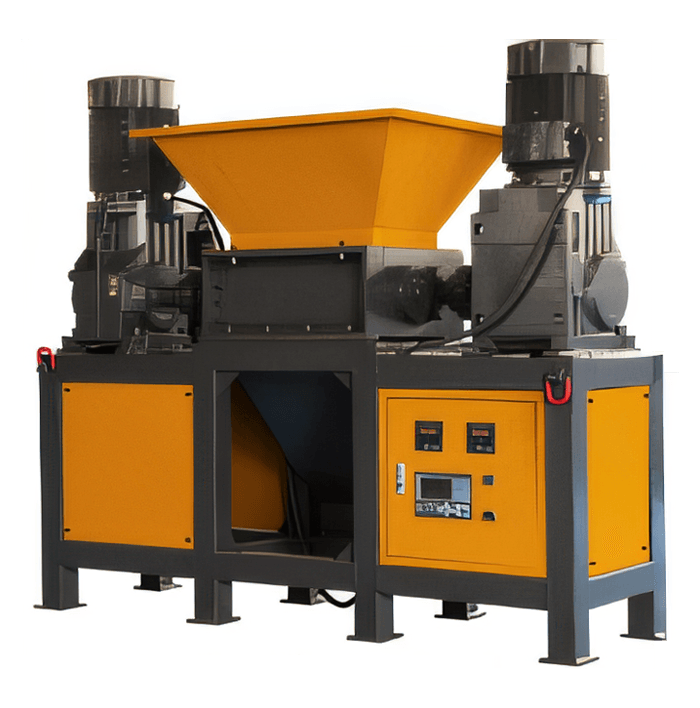
The WANXU WX-800D is an industrial double shaft shredder designed for the primary size reduction of bulky waste. Two 30 kW motors drive counter-rotating shafts at 28 rpm. The shafts grip the feed material and shear it into smaller pieces for downstream sorting or further processing.
A heavy steel frame helps limit vibration during operation. Throughput depends on the material, feed size, and required output, so a trial with representative samples can help determine whether the WX-800D is suitable for a specific recycling line.
With over a decade of experience in recycling equipment, WANXU designs complete processing lines around the site layout and feed material. After delivery, WANXU provides spare parts and maintenance guidance.
Two counter-rotating shafts draw bulky, irregularly shaped waste into the cutting chamber. As the shafts turn, the intermeshing blades grip and shear the feed into smaller pieces. This cutting action helps reduce the size of bulky scrap so it is easier to collect and transfer after shredding.
Two 30 kW motors power the cutting assembly. Feed materials can vary in size, thickness, and density, so WANXU can review representative samples when recommending a drive configuration. The selection also takes into account the required processing rate and output size.
The control system monitors shaft load as material passes through the cutting chamber. When a denser piece raises cutting resistance, the system can adjust shaft speed in response. This is useful for waste streams where the size and density of the feed vary from one batch to the next.
The WX-800D can serve as a standalone shredder or as the first stage of a recycling line. In an integrated setup, it reduces oversized material before it reaches sorting or secondary shredding equipment. The feed arrangement, discharge point, and downstream equipment can be reviewed together when planning the line layout.


The WX-800D is designed for primary shredding of bulky waste. Material size, thickness, and composition all affect how the feed enters the cutting chamber and what comes out. The following examples outline what to check when selecting a configuration.
Feed Material | What to Check Before Selection |
|---|---|
Rigid plastic scrap | Check the dimensions and wall thickness of bulky plastic containers and molded production offcuts. |
Wood and packaging waste | Specify pallet or timber dimensions and identify any nails, brackets, or other embedded hardware. |
Rubber scrap | State the thickness of rubber pieces and whether they contain reinforcement. Whole tires require a separate application review. |
Light metal offcuts | Specify the metal type, thickness, and shape so WANXU can evaluate the cutting setup. |
Mixed industrial waste | Provide a representative material mix and identify oversized pieces, non-shreddable items, and any sorting or preparation required before feeding. |
The WX-800D excels across diverse, demanding material recovery scenarios. Extensive performance verification testing and documented video case studies from active installations demonstrate its exceptional throughput capabilities across the following sectors:
Large-Scale Municipal Waste: Rapidly processes bulk household refuse and commercial garbage, significantly reducing volume for efficient landfill management or preparation for incineration facilities.
Industrial Bulk Waste: Continuously handles production scrap, offcuts, and packaging materials directly from manufacturing plants, keeping factory floors clear and preparing materials for secondary markets.
Tire Recycling Facilities: Aggressively shreds passenger and commercial vehicle tires, breaking down tough rubber compounds and steel wire at high volumes to feed downstream granulation equipment.
Electronic Waste Processing: Crushes heavy e-waste, including whole household appliances, server racks, and office equipment, liberating valuable internal components for precise mechanical separation.
Construction Debris: Powers through mixed demolition waste, effectively sizing down heavy wood beams, rigid plastics, and light metal fixtures to streamline site cleanup and material recovery.

A: The WX-800D operates at an optimized 28 rpm, a noticeable upgrade compared to the 18-20 rpm typical of standard models. By maintaining massive torque levels at this elevated speed, facilities experience a 40-50% increase in overall throughput for most waste categories. The upgraded drive system sustains this momentum even under heavy, unpredictable loads, drastically cutting down total processing time per batch.
A: Machine protection is managed through a comprehensive multi-layer defense system. Highly sensitive tramp metal detection instantly halts the shafts upon identifying uncrushable foreign contaminants. Simultaneously, intelligent overload sensors protect the motors from thermal or mechanical damage during sudden jams. Replaceable wear plates shield the main housing from abrasive materials. Every incident is recorded by the central control unit, providing maintenance teams with accurate logs for operational review.
A: Absolutely. The machine features an extra-large feed opening measuring 1200×1000mm, specifically engineered to accept oversized materials without the need for manual pre-dismantling. The aggressive dual-shaft gripping action easily pulls whole appliances, large furniture frames, and bulky plastic containers directly into the primary cutting zone, ensuring complete destruction in a single pass.
A: Engineered for minimal downtime, the shredder utilizes an automated lubrication system that consistently greases vital bearings during active operation. The cutting blades generally require a standard inspection after 500-800 operating hours, with actual replacement schedules depending on the specific abrasiveness of your material stream. The blades feature a modular design, permitting operators to replace only the worn sections rather than the entire shaft assembly, keeping maintenance costs strictly controlled.


